
contact us

The right golf cart service technician in Vermont should have factory-specific training, use OEM parts when appropriate. Explain the work and pricing clearly, and offer service options that fit your property or fleet. Certification and brand experience also help protect warranty coverage, vehicle performance, and long-term safety.
Schedule professional golf cart service and confirm the repair plan fits your vehicle.
Choosing a golf cart service technician in Vermont is about more than finding someone who can replace a belt or charge a battery. The right provider should understand the vehicle's make, model, powertrain, and intended use. That knowledge matters whether you use a cart around a rural property, operate a seasonal rental fleet, or depend on utility vehicles for a commercial site.
Start by asking about factory training and certification. Factory-trained technicians learn the systems and service procedures developed for the vehicles they repair. That preparation supports long-term vehicle health, safety, and performance, while factory certification can help protect warranty compliance and ensure repairs are completed to the manufacturer's standards. A reputable service department should be able to explain its technicians' qualifications clearly and, when appropriate, show documentation of relevant training.
Brand-specific experience is just as important as general mechanical ability. Club Car vehicles, for example, require specialized knowledge of their electrical systems, controls, batteries, and model-specific components. If you own a Club Car, ask how often the technician works on that brand and whether the team is authorized or factory-trained. The same principle applies to other vehicle types, including GEM and gas-powered utility models. Technicians should have training for the specific make and model, not simply a general background in automotive repair.
Before approving work, ask a few practical questions:
Vermont's varied terrain and seasonal conditions also make local experience valuable. A technician should be able to discuss how the vehicle is used and identify service considerations related to hills, uneven ground, winter storage, or frequent commercial operation. For a closer look at a qualified regional service option, review c2 Vehicles' golf cart service technician in Vermont resources and service support.
Finally, look for a provider that treats diagnosis as part of the repair, not an afterthought. A careful evaluation can identify worn or loose components before they become a larger safety or reliability issue. Clear recommendations and documented qualifications give you a stronger basis for deciding where to maintain your vehicle.
A golf cart is a specialized vehicle, and the right repair depends on more than replacing a worn component. Factory-trained technicians learn the systems, specifications, and service procedures associated with particular makes and models. That knowledge helps them diagnose the underlying problem instead of treating only the most visible symptom. It also matters when a cart has a specialized electrical system, drivetrain, or battery setup.
OEM, or Original Equipment Manufacturer, parts are designed for the vehicle they are built to fit. Compared with generic aftermarket alternatives, they can provide more predictable compatibility, longer service life, and stronger warranty support. A part that appears interchangeable may have different dimensions, electrical characteristics, or materials that affect performance after installation.
| Compared factor | OEM parts | Generic aftermarket parts |
|---|---|---|
| Fit and compatibility | Designed to match the vehicle's original specifications. | May vary in dimensions, materials, or electrical characteristics. |
| Expected service life | Built to the manufacturer's standard and typically longer lasting. | Quality varies and can lead to premature wear or repeat repairs. |
| Warranty impact | Helps preserve manufacturer warranty coverage. | May not carry the same coverage and can affect warranty status. |
| Documentation | Can be sourced through authorized dealerships with a service record. | Requires the technician to explain tradeoffs and obtain your approval. |
Warranty considerations are especially important for newer vehicles. Authorized golf cart dealerships are a dependable source for authentic OEM parts, which can help keep manufacturer warranty coverage valid. A service provider should be able to explain which parts are being installed, why they are appropriate, and whether the repair has any implications for existing coverage. That documentation gives owners a clearer service history and makes future maintenance easier to manage.
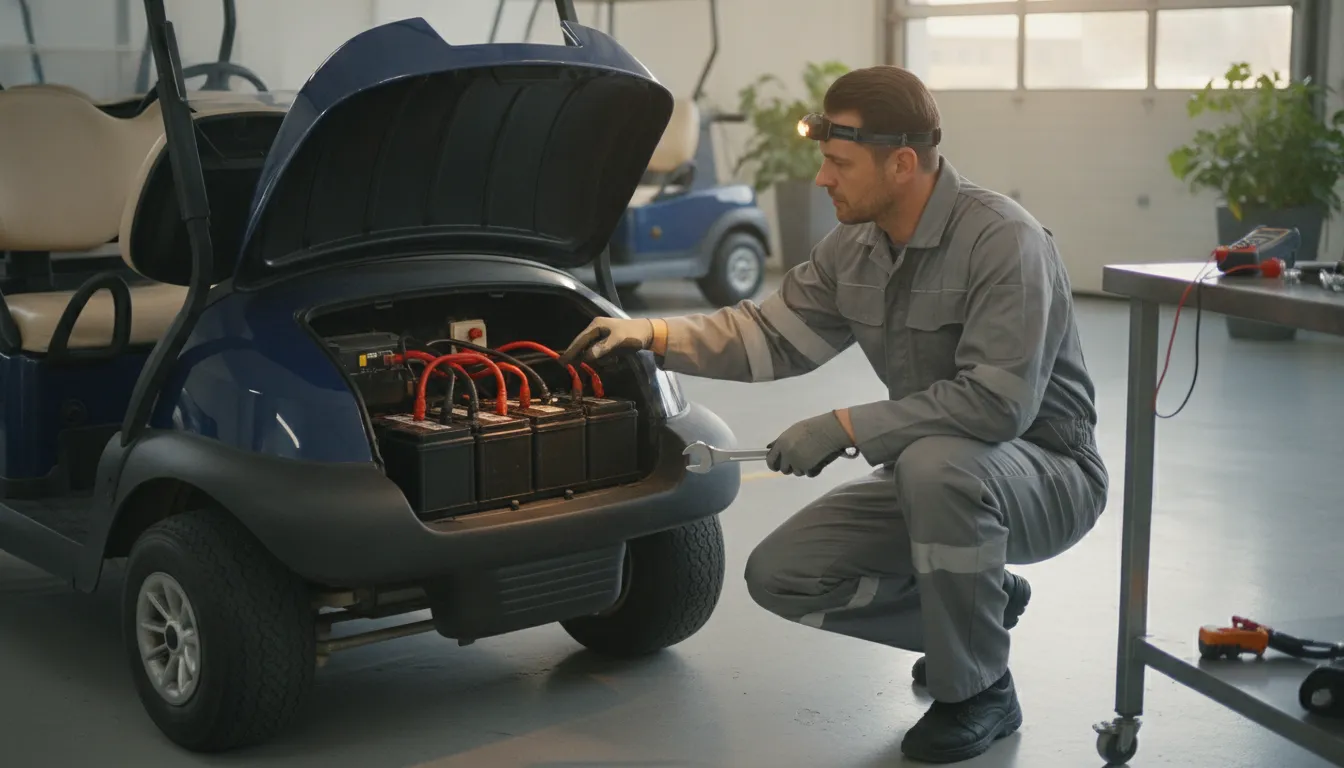
Battery care is another area where trained service makes a practical difference. Professional maintenance may include cleaning battery terminals to prevent corrosion and maintain efficient power delivery. On an electric cart, a technician who understands the specific battery and charging system can distinguish normal wear from a developing electrical issue. On gas models, make-specific training supports accurate diagnosis of engine and drivetrain components.
c2 Vehicles maintains factory-trained technicians across its seven-location regional network, with service support for the brands it represents. Whether you own a Club Car, GEM, or another supported vehicle, ask about technician qualifications and parts before authorizing work. You can schedule professional golf cart service and confirm that the repair plan fits both your vehicle and its warranty requirements.
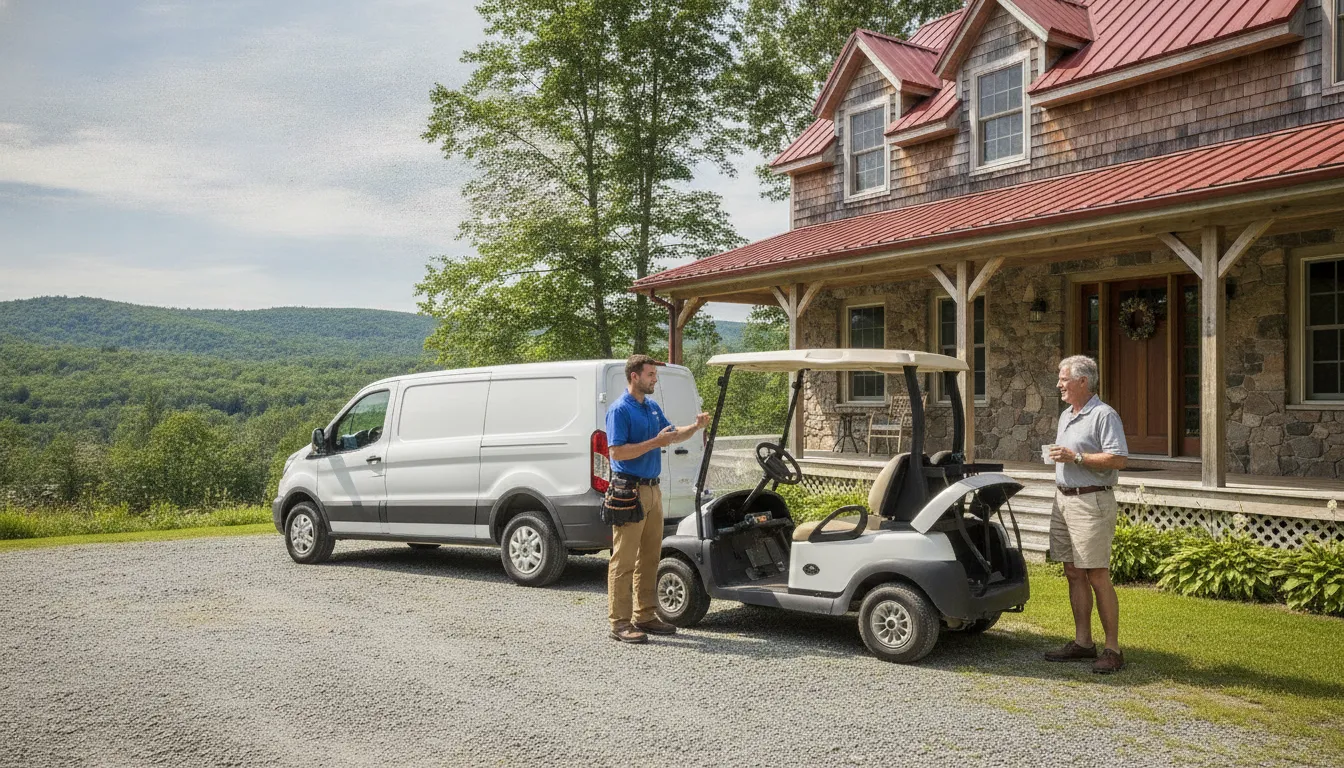
Yes. Mobile golf cart service can be a practical option for Vermont owners who would rather have qualified technicians come to the vehicle than arrange transportation to a facility. This keeps routine repairs closer to where the vehicle is used, and c2 Vehicles provides on-site support through its mobile service units.
That convenience matters even more for property managers, resorts, campgrounds, rental operators, and fleet owners. Moving several carts to a dealership can interrupt daily operations, require additional transportation, and leave fewer vehicles available for guests or staff. With mobile support, a service team can evaluate the issue at the property, complete appropriate repairs on site, and determine whether a more involved repair requires shop-based equipment. This approach helps managers address maintenance needs without treating every service appointment as a logistics project.
The right scope depends on the vehicle, the condition of the cart, and the diagnosis. Mobile technicians may be able to perform inspections, troubleshoot operating issues, and handle selected maintenance or repair work at a residence, business, or managed property. Before booking, ask what services can be completed on site and what conditions would require transportation to a service location.
A professional visit should also look beyond the symptom that prompted the call. Steering components, battery connections, tires, brakes, and other operating systems can affect reliability and safe handling. The specific inspection and repair plan should reflect whether the cart is used privately, operated as part of a commercial fleet, or exposed to demanding daily conditions.
Vermont properties can include paved roads, gravel drives, sloped terrain, wooded paths, and seasonal outdoor facilities. Weather and terrain place different demands on carts, so a technician needs to understand how the vehicle is used rather than apply the same recommendation to every customer. Regional technicians experienced with Vermont's varied terrain and climate can help adapt service and maintenance decisions to those conditions.
For example, a cart working frequently on hills may need closer attention to braking performance than a lightly used vehicle on flat private paths. Fleet operators should also explain usage patterns, seasonal storage, and the number of operating hours so service intervals can be matched to actual demand.
Whether you need on-site support or a shop appointment, you can Find a Location to identify the most convenient c2 Vehicles service resource for your Vermont property.
Choosing a golf cart service technician in Vermont is about more than finding the lowest quoted price. The right provider should explain what your vehicle needs, use parts appropriate for its make and model, and give you a clear path from diagnosis to completion. If a technician cannot answer basic questions about the work, treat that uncertainty as a warning sign rather than a reason to move ahead.
Before authorizing repairs, look for these common red flags:
Good service also includes a clear inspection process. Ask what will be checked, how safety concerns will be documented, and whether you will receive recommendations in writing. For a broader preparation guide, review regular golf cart maintenance before your appointment. A transparent conversation up front can prevent surprise costs and help you choose repairs that support dependable operation over time.
For most Vermont golf cart owners, annual professional maintenance is a sensible baseline. A yearly visit gives a qualified technician an opportunity to identify wear before it becomes a breakdown, safety issue, or expensive repair. It also supports the consistent upkeep that can extend a vehicle's useful life and help preserve its resale value. Commercial operators, rental companies, campgrounds, resorts, and property managers should not rely on a once-a-year appointment alone. Service intervals should reflect how often the vehicle runs, how many people operate it, and the conditions it encounters.
Hilly routes deserve particular attention. Repeated starts, stops, and descents can place additional demand on braking components. So brakes should be inspected annually and more frequently when a cart sees heavy use on steep terrain. Vermont's changing weather and varied surfaces also make tire condition, steering, and lighting important parts of every scheduled check.
A typical service schedule may look like this:
Regular service does not mean every cart needs the same repair plan. A technician should account for the vehicle's make, model, powertrain, terrain, and workload, then recommend an interval that fits how it is actually used.
Schedule professional golf cart service and let factory-trained technicians build a service plan around your cart's usage.
Schedule Your Golf Cart Service in Vermont Today
Look for brand-specific training, experience with your cart's make and model, clear estimates, and a documented inspection process. A qualified technician should be able to explain the repair, identify safety concerns, and recommend parts that fit your vehicle. Regional experience also matters when carts operate on Vermont's varied terrain and in changing weather conditions.
Factory-certified service is especially valuable for newer carts, warranty work, complex electrical systems, and repairs involving specialized components. Factory-trained technicians understand the manufacturer's procedures and can help preserve warranty compliance. Ask the provider about current certifications or verify the technician through an authorized dealer. c2 Vehicles maintains factory-trained technicians at all seven locations. Source
OEM parts are designed for the specific vehicle and are generally the safest choice for fit, compatibility, and long-term performance. They may also provide stronger warranty support than generic alternatives. Ask before any aftermarket part is installed, and make sure the estimate identifies the part type and any related warranty terms.
Mobile service may be available depending on your location, vehicle, and repair needs. It is useful when transporting a cart is difficult, particularly for property managers and fleets, and can reduce downtime by bringing qualified support to the site. Confirm the service area and whether the issue can be handled on location before booking. Find a Location.
Schedule at least annual maintenance, then shorten the interval for commercial use, frequent driving, steep terrain, or severe operating conditions. Ask the technician to review brakes, steering, tires, batteries or the gas system, and lights. Consistent maintenance can extend vehicle life and help preserve resale value.
Choosing the right technician can help you address wear early, maintain dependable performance, and keep your golf cart ready for the conditions it faces in Vermont. If you are comparing service options or need help with your next maintenance visit, c2 Vehicles can help you take the next step. Schedule professional golf cart service with the service team.