
contact us

On a busy park day, staff may need to move supplies, assist visitors across a large site, or get between public facilities while keeping the route separate from regular vehicle traffic. A short-term cart rental can help with those defined trips. The route and operating plan should come before the vehicle choice.
Explore municipal rental options
Municipal golf cart rentals can support short trips across parks, facilities, and civic events. They can move staff, assist visitors, or carry equipment. The vehicle, route, and supervision must fit the site. c2 Vehicles serves government customers for parks, recreation, security, and official transport (commercial fleet solutions).
The best starting point is to identify who needs to travel, what they need to carry, and which trips genuinely benefit from a cart. Those answers help a municipality set a practical rental scope and keep the operation focused on its public-service purpose.
A short-term rental can help a public agency cover a defined job without committing to a long-term fleet purchase. The strongest fit is a temporary or seasonal task. Staff may need to move people, tools, or supplies across a campus, park, or controlled site.
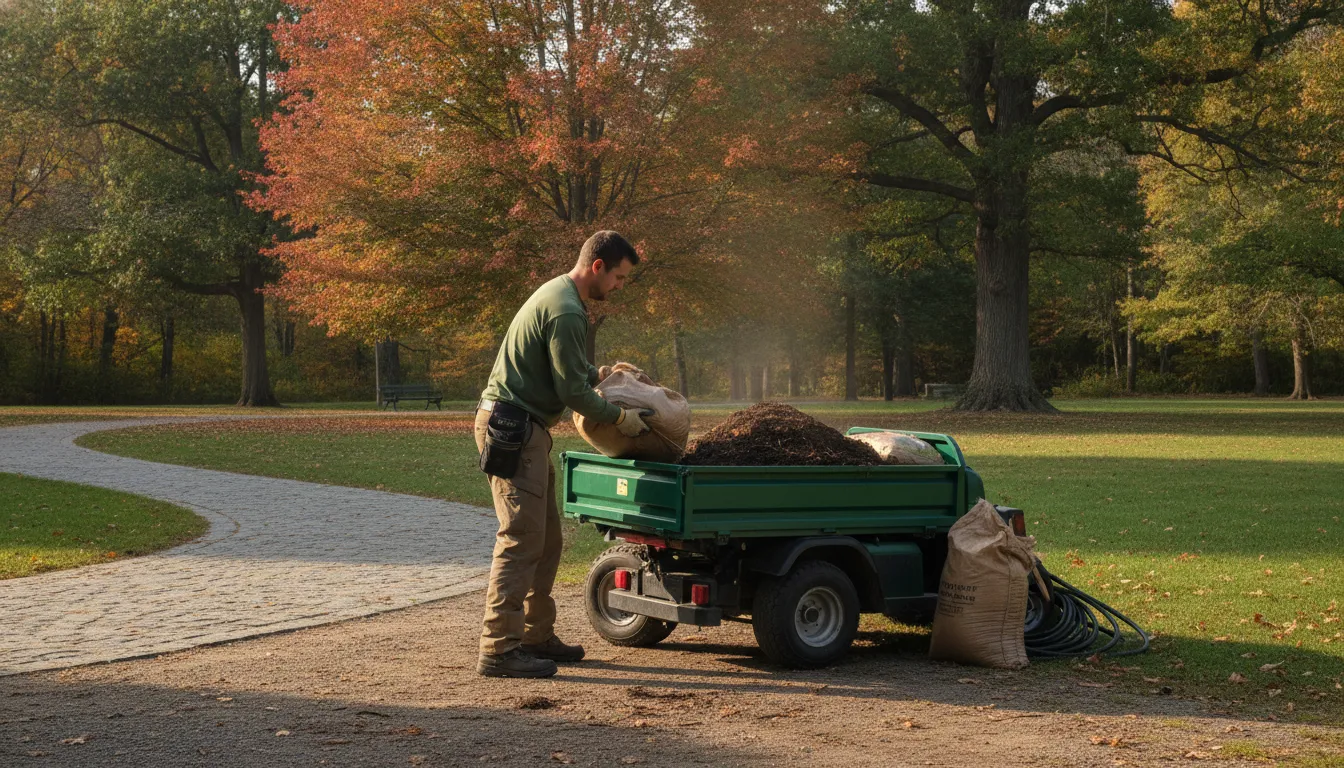
For public works, a utility vehicle may move supplies. Parks teams may use passenger carts between facilities. Civic sites may use them to connect buildings, parking, and service areas.
A town fair may need carts for staff, supplies, or event logistics. Define users, trips, hours, and staging points. Separate passenger and cargo needs. Consider whether a truck, accessible transit, or walking route fits better.
The rental range includes passenger and utility options. Availability changes, so confirm dates and configurations directly. See rental options.
Short-term public needs may fit a rental. A recurring, year-round need may require separate fleet and procurement analysis. Define purpose, location, and dates. Assign staff to manage the vehicles.
Before deployment, identify operators and permitted paths. Decide how carts and pedestrians will share space. Do not assume routes are approved or carts can use public roads. Ask the authority responsible for each crossing. Confirm rules for the vehicle and route.
Choose each route after seeing actual site conditions. Do not measure distance alone. A short path may pass through a crowded walkway, steep grade, or road crossing. Before delivery, the rental coordinator should walk the route, record hazards, and share the plan with site and road officials.
Share the map with supervisors and operators. Walk the route again if construction, event layouts, weather, or access changes.
Start with the task for each trip. A staff shuttle, visitor trip, and supply run need different configurations. Fit the vehicle to riders or cargo, trip frequency, and route space.
| Configuration | Potential municipal use | Route and planning considerations |
|---|---|---|
| Passenger cart | Short, defined trips for staff or visitors, such as travel within a park or between municipal facilities. The rental page lists four- and six-passenger examples. | Match the planned passenger load to the specific vehicle's seating and operating instructions. Check route width, turning space, surface, grades, pedestrian activity, and crossing points. Keep the proposed route within areas approved for that vehicle's intended use. |
| Wheelchair-ramp passenger configuration | A trip involving a wheelchair user and companions, when a ramp-equipped passenger vehicle may fit the rider's needs. The rental page lists an eight-passenger example with a wheelchair ramp. | Check the vehicle's route and stops with intended riders and the municipal accessibility lead. |
| Utility vehicle | Moving maintenance supplies, event equipment, or other work materials when cargo is central to the assignment. The rental page lists Carryall utility configurations. | Confirm vehicle capacity with the provider. Consider whether the load affects safe movement or visibility. Check that loading and unloading will not block people or work areas. |
These are starting points for discussion, not universal recommendations. A passenger cart may not suit narrow turns, busy walkways, or uneven paths. A utility vehicle may not be needed for a shuttle. A passenger vehicle may not suit a cargo job. Confirm the actual vehicle's specifications and intended use with the provider.
Accessibility requires more than a ramp-equipped option. Check boarding and unloading space. Confirm the route and stops work for intended riders. Make sure the vehicle can complete the full trip. If a route includes a public road or crossing, ask authorities to confirm permission and requirements.
Vehicle configuration depends on the rider or load and the route. Review current options on c2 Vehicles' rental page. For a tailored configuration, discuss the route with commercial fleet solutions.
Before vehicles arrive, decide who is responsible for operating them and who can authorize drivers. The municipality or site operator should set any training, supervision, age, licensing, or other eligibility criteria after checking applicable rules and the intended use. Make responsibilities clear for staff, contractors, and any other approved operators; do not assume a rental vehicle comes with a site-specific operating policy.
Write down where carts may travel and how they should interact with people on foot. A practical plan can identify designated routes, low-speed areas, pedestrian-priority spaces, and locations where carts must yield or stop. Review crossings individually. If a route reaches a public road, the responsible local and state authorities should confirm whether that movement is permitted and what controls are appropriate. A route suitable for a closed park path may not be suitable for a road or crowded civic event.
Plan the flow around busy destinations, entrances, queues, and event areas. Where feasible, keep vehicle movement separate from pedestrian gathering and walking routes. Define safe places for loading, unloading, stopping, and parking, including a rule against blocking accessible paths, entrances, emergency access, or service areas. Consider sight lines, turning space, surface conditions, slopes, and how people will cross the route. The ADA guidance on mobility devices identifies golf carts among other powered options and discusses safe use in a particular setting. It is a prompt to evaluate the actual vehicle and environment, not a blanket finding that a specific cart, route, or program is accessible.
Agree on a simple check before each shift or use. The assigned person can check tires, brakes, steering, lights, seats, restraints, and controls. Flag damage or faults before use. Set a process for collisions, near misses, injuries, and damage. Decide who secures a vehicle and clears it for return to service.
Set weather procedures too. Rain, standing water, darkness, poor visibility, wind, ice, or uneven ground may make a route unsuitable. Name who can pause service. Decide how operators will report a closure and where vehicles should be moved. Authorities still determine legal rules and site approvals.
Review the complete trip before choosing a cart. A ramp may help with boarding. It does not make every route or program accessible. The U.S. Department of Justice includes golf carts among powered mobility devices. Safe use depends on the setting. Assess site and rider needs before planning service.
Walk the proposed path with intended riders or an accessibility representative. Check the full route for uneven surfaces, slopes, grates, loose material, and tight turns. Confirm there is room to turn. Keep riders clear of pedestrians, bikes, and vehicles. Identify crossings and blind spots. Check whether barriers, queues, or parked vehicles could narrow the route.
Boarding and stops need careful review. Leave room for a ramp, boarding, and exiting. Check the ground at each stop. Confirm riders can approach the vehicle safely. Make sure the path to each destination is usable. Consider rider needs, staff assistance, and clear service information.
Before confirming the fleet or publishing public access details, review these practical questions:
Ask the municipal accessibility official to review the route, stops, and operating plan. Include the property manager when the path crosses areas they control. Evaluate the actual site and service. A ramp or cart model alone does not establish compliance. For a listed wheelchair-ramp rental, confirm availability and suitability for intended riders. See Department of Justice guidance on mobility devices as one input.
c2 Vehicles offers passenger and utility rentals. Availability can change. Ask about dates, vehicle fit, delivery, and site access. For municipal routes, share the map and operating hours. Discuss operator responsibilities and support before agreeing on terms.
Ask the provider to confirm the proposed vehicle in writing. For passengers, check seating and equipment. For utility use, describe materials and loads. For a ramp configuration, discuss deployment and boarding space. A vehicle description alone cannot establish that the route is accessible.
Confirm delivery and pickup dates, time windows, drop-off points, access, and staging. Ask what happens if site access or schedules change. c2 Vehicles lists delivery and pickup. Confirm terms and availability. Review rental options.
Ask who handles operator orientation, keys, daily checks, charging or fuel, parking, and defect reporting. Agree on who to contact if a vehicle cannot be used. c2 Vehicles offers mobile and scheduled service support. Confirm its scope, eligibility, hours, and response process. Do not assume a response time or replacement unless agreed in writing.
Review terms with procurement, risk, and legal staff. Ask about insurance, liability, public access, and local approvals. The provider can explain vehicle details and contract terms. Municipal officials should confirm legal duties and route permission. Rules vary by jurisdiction, especially on public roads.
Clarify dates, permitted use, schedule changes, damage reporting, and who can pause operations. c2 Vehicles has locations in all six New England states. This regional footprint does not guarantee availability or response. Share the route, schedule, site conditions, and scope with the provider. Compare its vehicle, delivery, and support terms with the municipality's needs.
Who approves golf cart routes on public property? Ask municipal leaders, property managers, and road officials to review routes and crossings. Confirm local rules before booking. Do not assume a cart can use a public street because it is available for rent.
To estimate fleet size, count simultaneous trips, passengers or loads, route length, and operating hours. Plan staging and loading. Share the scope with the provider. Confirm fleet mix, availability, and terms.
No. A ramp-equipped vehicle is one part of the plan. Check boarding space, ramp deployment, surface, slope, turns, stops, and rider needs. The ADA explains that powered mobility devices may be restricted if a specific device cannot be used safely in a setting. Assess the vehicle and site.
What should staff check before a municipal rental begins? Write down the route, authorized operators, passenger limits, pedestrian rules, parking, pre-use checks, and incident reporting. Assign a supervisor. Confirm the cart suits the route and task. Set local procedures with the provider and site officials.
Plan a municipal golf cart rental around routes, riders, vehicle fit, and provider support. Share the site and intended use. Discuss configurations and delivery with the rental team.