
contact us

Choosing a gas vs electric utility vehicle for your New England commercial property depends on your daily work cycles, hauling needs, and site setup. Gas models excel at heavy towing, continuous shifts, and remote jobs because your crew can refuel their tanks in minutes rather than waiting on a charge. Electric utility vehicles run quiet and fume-free, making them perfect for indoor use, resorts, schools, and other noise-sensitive regional properties. They also cost much less to run over time because electric drivetrains need far less maintenance, according to federal energy data. However, electric fleets need upfront planning for charging stations and have a shorter range than standard gas models in cold winter weather.
View our gas and electric utility vehicle inventory to see the work-ready models we stock across New England.
Choosing a gas vs electric utility vehicle is a key decision for site leads and work fleets. These tough machines are built for hard tasks on large job sites. Unlike standard golf cars built for fairways, utility vehicles feature strong frames and rear cargo beds. They are made to move tools, crew members, and heavy loads across rough terrain. Standard golf cars are made for passengers on fairways. But you can view our utility vehicle inventory to find work-ready options. These models have tough cargo beds and strong shocks.
A true utility vehicle is built for hard daily work. Models like the Club Car Carryall, Polaris Pro XD, and GEM carts have rugged parts to handle daily wear. These work carts have higher towing limits and larger payloads than personal golf cars. They can move heavy loads across mud, gravel, and steep hills. To see how they differ, look at these key traits of utility-grade vehicles:
Gas utility vehicles use internal combustion engines. They run on regular gas or diesel fuel. These models are best when you need long run times and quick fueling without downtime. A gas tank gives you up to 150 miles of range, making it great for remote sites. But gas engines need regular care. You must change the oil, filters, and spark plugs to keep them running well. They also make more noise and produce exhaust fumes.

Electric models use battery power and electric motors. According to the Alternative Fuels Data Center, electric options run quiet and produce zero tailpipe emissions. This makes them ideal for indoor use, schools, and quiet resorts. They need little upkeep because they have fewer moving parts. Today, you can choose between two main battery types. Older lead-acid batteries are cheaper upfront. But they need regular water refills and last four to seven years. Lithium-ion batteries cost more at first. But they need no upkeep, charge faster, and last seven to ten years. If you want to learn more, our guide to electric utility vehicles covers these options in detail.
Choosing between a gas vs electric utility vehicle is a big choice for any property or fleet manager. This choice will affect your daily work, your upkeep budget, and your team's work speed. While gas models offer high power for heavy tasks, electric options give you quiet work and zero tailpipe emissions.
Power source and range are the biggest differences between these platforms. Gas utility cars can often travel about 150 miles on a five to six gallon tank of fuel. This long range makes them great for large, remote job sites where you cannot stop to plug in. But basic electric utility vehicles run between 15 and 40 miles on a single charge. Still, models with lithium batteries can reach a range of up to 50 miles before they need a charge.
| Feature | Gasoline Vehicles | Electric Vehicles |
|---|---|---|
| Upfront cost | Lower sticker price. | Higher base cost but qualifies for state credits. |
| Fuel or energy cost | Higher; about $6,750 over 10 years of use. | Lower; about $438 to charge over 10 years. |
| Range and run time | Up to 150 miles per 5 to 6 gallon tank. | Usually 15 to 40 miles; lithium-ion can hit 50 miles. |
| Maintenance needs | Higher; requires oil, filters, and spark plug swaps. | Much lower; fewer moving parts to fix. |
| Towing and payload | High torque; great for heavy loads on steep hills. | Consistent torque; works well on flat ground. |
| Best applications | Remote jobs, long shifts, heavy towing. | Campus patrol, indoor work, resort transport. |
Upkeep costs and site rules are also vital. According to a federal fuels study, electric vehicles have fewer moving parts, which leads to lower maintenance needs. Over a ten-year span, an electric model can cost just $438 to charge, while gas fuel can cost over $6,750.
For fleet buyers, these fuel savings can quickly offset the higher starting price of an electric model. This major drop in fuel costs makes electric a great choice for quiet campus, resort, or school sites. You can also view our current utility vehicle inventory to compare specific models.
Still, gas remains the best choice for heavy work. For deep mud, steep hills, and steady towing, gas utility vehicles for commercial use give you the high torque you need. They also start well during freezing New England winters, while electric batteries can lose power in the cold.
When comparing a gas vs electric utility vehicle, the upfront price is only the first step. To find the true value, you must look at long term costs. According to a federal Alternative Fuels Data Center report, these calculations must include fuel, maintenance, and vehicle lifespan. Over time, the running costs of these work carts diverge.
Fuel and energy are where electric models show the biggest savings. A 2018 study by the University of Michigan found that the average cost to fuel an electric car was $485 a year. By comparison, a gas car cost $1,117 each year. This is a clear gap. A 2020 Consumer Reports study also showed that electric drivers spend about 60 percent less on fuel each year than gas drivers.
For utility vehicles, the gap is even wider. Ten-year data for work carts shows a stark contrast. A typical gas vehicle can run up about $6,750 in fuel bills over ten years. In contrast, an electric work vehicle costs about $438 to charge over that same time. This means a fleet manager can save more than $6,300 per vehicle on fuel alone.
Gas engines also waste fuel during high idle times. For facility fleets with many quick stops, this waste adds up. Electric drivetrain systems stop idling completely, which keeps your energy costs low.
Electric utility vehicles are much easier to maintain. Federal fleet research shows that electric drivetrains have fewer moving parts. This leads to 30 to 40 percent lower service costs than gas models. By choosing electric, you avoid many common repairs.
With a gas vehicle, routine tasks add up quickly. Over ten years, a gas work cart can require several thousand dollars in parts and labor. These recurring tasks include:
While electric systems need less routine care, you must plan for battery replacement. Lead-acid batteries often last four to seven years. In contrast, lithium-ion systems last seven to ten years and need zero daily watering. In New England winters, cold weather can affect battery range. Choosing the right battery style for your local climate is key. Our team can help you check these options through our service and parts support team.
When you combine fuel and upkeep, electric work carts reach cost parity with gas models in two to four years. After this crossover point, the electric option saves you money every month. State or federal green incentives can shorten this time to one or two years.
Choosing the right drivetrain depends on your site size, daily run times, and power needs. If you need to explore your options, you can browse our utility vehicle inventory today. You can also contact our team to set up a full fleet consultation for your business.
New England winters bring heavy snow, freezing winds, and icy roads. When choosing between a gas vs electric utility vehicle for winter work, you must look at how cold weather impacts each type. Freezing temperatures affect fuel systems, battery cells, and overall run times in different ways.
Gas vehicles handle the winter cold with ease. A gas engine starts reliably in low temperatures and does not suffer from range loss when the thermometer drops. This makes them a strong choice for outdoor crews who must work all day in deep snow and remote areas.
A gas vehicle also creates its own heat. You can add a cab heater to keep your crew warm during long shifts. But gas engines still need winter care, including regular fuel checks and oil changes. You can get winter help from local service and parts support to keep your fleet running well.
Electric models face more challenges when the temperature drops below freezing. All batteries lose some range and power in the cold. Traditional lead-acid batteries can lose up to half of their capacity in deep winter. Modern lithium batteries hold their charge much better than lead-acid types, but sub-zero cold still cuts their range.
To get the best results, you must plan your daily routes with care. According to a federal fleet planning guide, you should check your daily distance needs before choosing a vehicle. To learn how this affects smaller carts, read our electric vs gas golf cart guide.
Winter charging needs the right setup. If you charge a cold battery, you can damage the cells. You should charge your electric vehicles in a heated indoor space when the weather is cold. Setting up a warm indoor charging area will protect your battery life and keep your fleet ready for work.
Proper care will keep your utility vehicle running all winter long. Here are some key tips for winter fleet care:
Choosing the right fleet for your business often comes down to the daily work you need to do. When comparing a gas vs electric utility vehicle, look at your work site and budget. You must also consider your power needs. Both options offer strong tools for New England businesses, but they serve different tasks. Let us look at how these choices fit your commercial goals.
Here is a quick look at when each power source works best:
Gas-powered utility vehicles are the top choice for heavy work. They are built for tough jobs that need high torque on rough ground. This is ideal for construction sites or large farms. A key benefit is that gas utility vehicles for commercial use provide long run times. You can run these vehicles for many hours on a single tank of fuel.
If you run out of fuel, you can fill the tank in minutes and get back to work. This makes gas models ideal if you operate in remote areas without power. They also work well in New England winters, as gas engines start easily and run steadily in any weather.
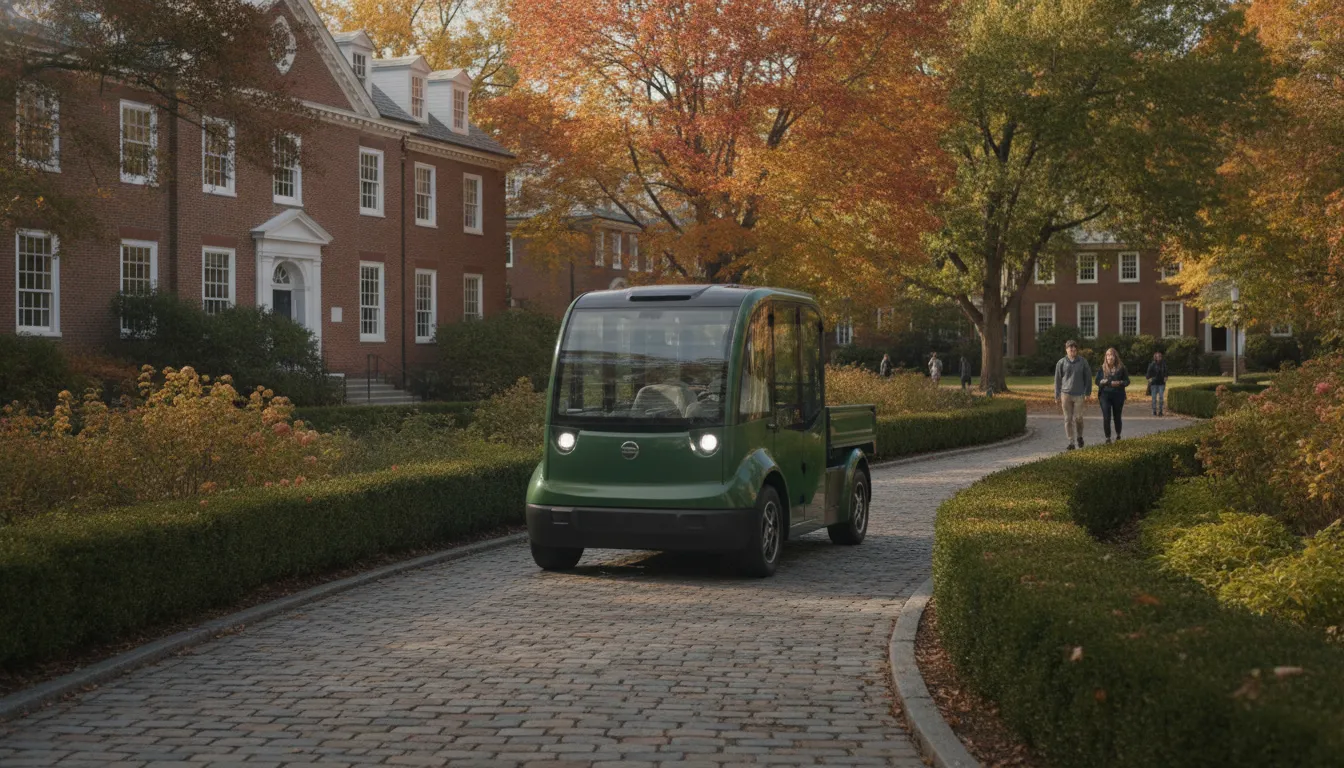
Electric models shine in quiet or closed spaces. Specialized vehicles, such as GEM low-speed electric models, work well on school and college campuses. Because they have zero tailpipe emissions, they are safe to drive inside warehouses, storage bays, or plants.
These vehicles run almost silently. According to federal reports, electric utility vehicles reduce noise on your site. This is helpful for quiet zones like schools, hospitals, and resorts.
For light commercial tasks, electric models offer big savings. They have fewer moving parts, which means lower maintenance costs. If you choose lithium power, you get zero-maintenance batteries that do not need water. But you must plan your daily routes. Make sure your team can access charging plugs, as electric fleets need proper power setup at your facility.
No matter which power source you choose, setting up a commercial fleet is a big task. That is why we provide custom solutions at c2 Vehicles. As the largest distributor in New England, we have over 40 years of local experience. We can help you weigh gas vs electric utility vehicle choices based on your specific job needs.
Our dedicated territory managers are ready to help with a commercial fleet consultation. We help you design custom builds, arrange flexible financing, and set up a plan that keeps your team moving. Plus, our factory-trained technicians can come right to your site to offer mobile service, which keeps your downtime to a minimum.
Choosing a work vehicle for your business site needs a clear look at your daily tasks. Standard golf carts are built for play, but utility-grade work carts must handle heavy duty cycles. When you weigh a gas vs electric utility vehicle, you must check your site's layout and work goals.
Different sites need different power types. A remote job site with rough ground may need the constant torque of a gas engine. On the other hand, a quiet campus or resort will often gain from clean electric drives. Standard lead-acid batteries last four to seven years, but lithium-ion packs can last seven to ten years with zero upkeep.
Fleet managers must measure daily routes to find if battery range is enough. These steps are outlined in federal fleet rules. Adding charging points needs careful planning for electric models. Gas-powered carts refuel in minutes, but you must store fuel safely on your site.
Follow this five-step guide to select the best cart for your facility.
As the largest dealer in New England, c2 Vehicles is ready to help you build your fleet. We have 7 sites across all 6 New England states and over 40 years in this field. Our team can guide you through the process of choosing the right gas or electric model. We are the only authorized GEM mobile service dealer in New England. We also carry top brands like Club Car and provide full fleet planning to support your work.
We offer mobile onsite service with factory-trained technicians to keep your vehicles running. You can talk to our commercial team to schedule a fleet review and find custom options for your property. Our regional team is here to support you at every step.
Talk to our commercial team about your gas or electric utility vehicle fleet to build a plan matched to your site.
Electric models often cost more to buy at first. But they save you money on fuel and repairs over their lifetime. According to the Alternative Fuels Data Center, electric vehicles have lower maintenance costs because they have fewer moving parts. You also avoid the high cost of gas by plugging in to charge. Most commercial fleets see these savings pay back the extra upfront cost in just a few years.
Gas vehicles need regular engine service. This includes oil changes, new spark plugs, and clean air filters to run well. Electric models have no engine, so they do not need these services. If you choose lithium batteries, you also avoid adding water to the battery cells. For any service needs, c2 Vehicles provides factory-trained experts to help keep your fleet running.
Yes, modern electric work carts are highly capable. Electric motors deliver instant torque, which gives them great starting power even when carrying heavy loads. They can easily handle steep hills and rough ground on your property. Many top models can carry payloads and tow trailers just as well as gas models. They work hard without the loud engine noise.
Yes, electric models are ideal for indoor use. They have zero tailpipe emissions, so they do not pollute the air in closed spaces. They are also very quiet, which helps keep noise low. According to the Alternative Fuels Data Center, quiet electric models, such as GEM vehicles, are perfect for schools, hospitals, and resort properties.
Delaying your fleet decision means you keep paying high fuel and upkeep costs for old, slow machines that hurt your daily site work. If you wait until the busy season to set up your new carts, shipping delays can push your project timelines back by months. To avoid these issues, browse our utility vehicle inventory online today to find the right models for your regional needs. Taking action now helps you build a strong, tough fleet that keeps your business running smoothly all year long.
Ready to upgrade your fleet? Contact our team at a nearby location today to view the utility vehicle inventory and talk to the c2 Vehicles commercial team.