
contact us

Choosing fleet vehicles is less about finding the lowest sticker price and more about matching each unit to the work, terrain, and service demands of your operation. A golf course may need dependable utility carts for grounds crews, while a resort, municipality, or property manager may need cargo capacity, quiet electric operation, or flexible drivetrain options.
For organizations comparing a commercial club car for sale New England, c2 Vehicles combines access to Club Car's commercial-grade Carryall Utility Vehicles with regional fleet expertise. Carryall models offer cargo bed configurations and gas or electric drivetrains, making them adaptable for work across campuses, resorts, facilities, and outdoor properties. As the exclusive Club Car distributor for New England and a major regional distributor of small-wheeled electric and gas vehicles, c2 can help you select equipment for the job, not just the catalog.
That starts with understanding why Club Car utility vehicles fit demanding commercial environments and how their capabilities align with different fleet roles.
Request a commercial fleet quote
Commercial vehicles have to do more than move people from one point to another. At a golf club, a utility cart may carry maintenance equipment across the property. At a resort, it may support housekeeping, grounds crews, or guest transportation. Municipal and industrial teams often need a dependable work platform that can be configured around daily routes, cargo, and terrain. Club Car utility vehicles are designed for that practical mix of transportation and work.
The Club Car Carryall series provides a commercial-grade platform with cargo bed options and gas or electric drivetrain choices. That flexibility makes it easier to match the vehicle to the job instead of forcing every department into the same configuration. A property manager may prioritize cargo capacity and maneuverability, while a municipality may evaluate drivetrain needs, operating patterns, and the locations where the vehicle will be used. For clubs and resorts, the same platform can support both behind-the-scenes operations and visible guest services.
Fleet reliability starts with selecting equipment that fits the operating environment. The Carryall platform is positioned for work and commercial operations, including property management and other sites where vehicles need to be ready for repeated daily use. Cargo requirements, passenger capacity, route length, charging or fueling access, and the demands of seasonal traffic all matter during the selection process.
That is why commercial buyers benefit from a fleet conversation rather than a one-size-fits-all recommendation. c2 Vehicles supports business-to-business fleet consultation and tailored equipment recommendations for specific industrial and commercial use cases. A dedicated commercial approach can help a club, resort, or municipality evaluate the right combination of utility vehicles, drivetrain options, and support before making a purchase.
c2 Vehicles is the exclusive Club Car distributor for New England and holds the Club Car Black & Gold designation. For a commercial operator, those credentials matter because fleet value depends on more than the initial vehicle specification. Dealer expertise, access to the right equipment, and an established service relationship all contribute to keeping vehicles useful over time.
c2 Vehicles is also the largest distributor of golf carts and other small-wheeled electric and gas vehicles in New England, serving commercial and fleet clients throughout the region. Buyers can explore Club Car utility vehicles for current options, then connect with the team about how those vehicles fit their site and workload. For a broader fleet plan, commercial fleet solutions can account for equipment selection, custom requirements, and the operational support needed after delivery.
The right vehicle depends on the work your team performs, the terrain it covers, and how often it needs to carry people, tools, or materials. A resort may need quiet transportation between buildings, while a golf course, municipality, or property management team may prioritize cargo capacity and all-day utility. Comparing the role of each Club Car platform before you buy helps prevent a fleet from being overbuilt for light transportation or under-equipped for demanding work.
| Platform | Best fit | Strengths to evaluate | Drivetrain considerations |
|---|---|---|---|
| Carryall Utility Vehicles | Industrial sites, municipalities, golf courses, resorts, and property operations | Commercial-grade work platform, cargo bed options, and configurations designed for work and play | Gas and electric drivetrain options can support different route lengths, charging access, payload needs, and operating preferences |
| Onward | Guest transportation, neighborhood-style mobility, and lighter passenger-focused duties | Passenger comfort and a smooth, quiet ride are useful when the vehicle represents the guest experience | Lithium-powered LSV configurations can offer longer range and zero-maintenance batteries, but street-legal status and operating rules must be confirmed for the specific model and location |
| Tempo and i2 utility configurations | Routine campus, course, facility, and light-duty transportation where a compact utility footprint is practical | A useful option to evaluate when the fleet needs straightforward movement of staff or equipment without the larger work focus of a dedicated Carryall | Match the available gas or electric configuration to daily mileage, charging infrastructure, service access, and the work environment |
For cargo-intensive work, Carryall is usually the natural starting point. Its commercial-grade design and cargo-bed options make it easier to move maintenance supplies, grounds equipment, tools, or deliveries around a property. Gas and electric choices also let a fleet manager weigh route demands against noise, charging access, and operating preferences. Electric is often attractive for campuses, resorts, and enclosed facilities where quiet operation matters. Gas may be worth evaluating when vehicles cover long routes or charging infrastructure is limited.
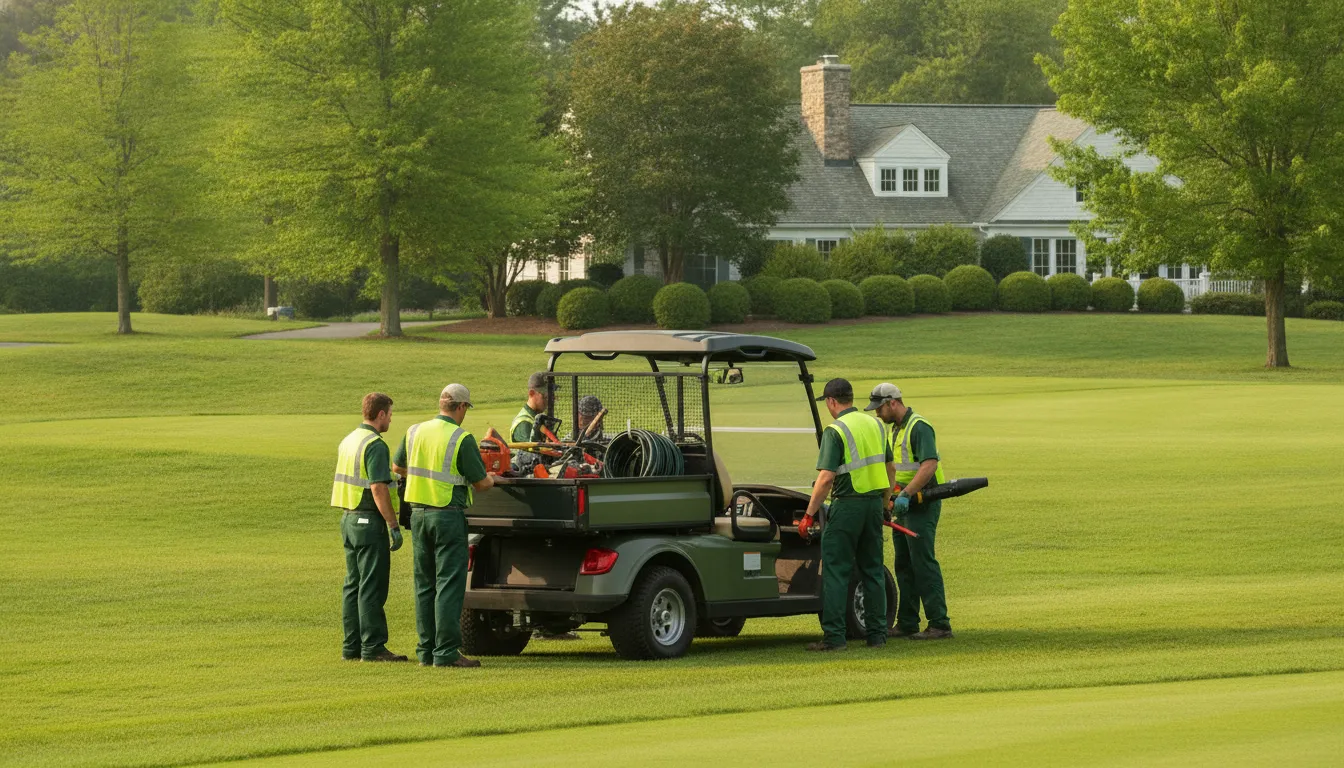
Onward serves a different purpose. It is better suited to passenger movement and guest-facing transportation than to routine hauling. Lithium power can simplify ownership by eliminating battery maintenance and supporting longer range in qualifying LSV configurations. However, do not assume that every Onward is street-legal. LSV and DOT requirements vary by state and municipality, so confirm the intended route and local rules before assigning a vehicle to public-road use.
Tempo or i2 utility configurations may make sense when your operation needs a compact, practical vehicle for recurring facility tasks rather than a dedicated cargo platform. The best choice comes down to payload, passenger count, route distance, surface conditions, duty cycle, and available service support. A mixed fleet is often more efficient than forcing one model to handle every job.
Review current options in the commercial Club Car for sale collection, then ask c2 Vehicles to match the configuration and drivetrain to your site, workload, and New England operating conditions.
Commercial vehicle pricing depends on more than the sticker price. The right budget accounts for how many units your operation needs, the work each vehicle will perform, powertrain requirements, expected utilization, service access, and the cost of replacing or expanding the fleet later. A golf course may prioritize passenger capacity and quiet operation, while a resort, municipality, or property manager may need cargo space, daily durability, or a mix of gas and electric vehicles.
When comparing a commercial club car for sale New England businesses should evaluate the complete acquisition plan, not just individual vehicle prices. Start by identifying the number of vehicles required for normal operations, then separate that baseline from seasonal or event-driven demand. This approach helps prevent overbuying equipment that sits idle while ensuring your team has enough transportation during peak periods.
Club Car Carryall utility vehicles offer a commercial-grade platform for work and play, with cargo bed configurations and gas or electric drivetrain options. Those choices affect the initial investment and the vehicle's fit for your site. Gas may suit applications that require rapid refueling or extended use away from charging infrastructure. Electric may be a better fit for quieter environments, short routes, and facilities planning around local emissions or noise concerns. A fleet consultation can help match the configuration to the terrain, workload, duty cycle, and staffing needs of your operation.
Flexible financing and leasing can help commercial buyers manage capital expenditures when purchasing several vehicles at once or upgrading an aging fleet. Financing may support ownership and long-term asset planning, while leasing can provide a predictable payment structure and make it easier to refresh equipment on a defined schedule. The best choice depends on cash flow, use expectations, accounting preferences, and how long you plan to keep each unit.
c2 Vehicles' commercial team can provide fleet consultation, dedicated territory support, and custom solutions rather than treating every buyer's needs as identical. Ask for a plan that considers the complete fleet, including delivery, accessories, service coverage, and future additions. Explore flexible financing options and commercial fleet solutions together so the acquisition structure supports daily operations.
Pre-owned vehicles can be a practical way to supplement short-term or seasonal demand, especially for rental operators, event venues, campgrounds, and resorts. A mixed fleet can preserve capital for core vehicles while adding capacity before a busy season. For buyers seeking additional assurance, c2 Vehicles Certified Pre-Owned vehicles are up to 5 years old, serviced in-house, and backed by a 3-year bumper-to-bumper warranty. That combination gives a business a defined standard for evaluating used equipment instead of relying on appearance alone.
Whether you choose new, pre-owned, financed, or leased vehicles, the goal is a fleet that performs reliably within your operating budget. Review expected use with a commercial specialist before selecting models or payment terms.
A commercial fleet is only valuable when each vehicle is ready for the next round, shift, event, or delivery route. Preventive maintenance helps operators catch wear before it becomes a service interruption, while a responsive regional support team can reduce the time a vehicle spends out of operation. For golf courses, resorts, campuses, municipalities, and property managers, the goal is not simply to repair a cart after a failure. It is to create a repeatable service plan around the way the fleet is used.
Use the following process to keep commercial Club Car utility vehicles dependable and easier to manage.
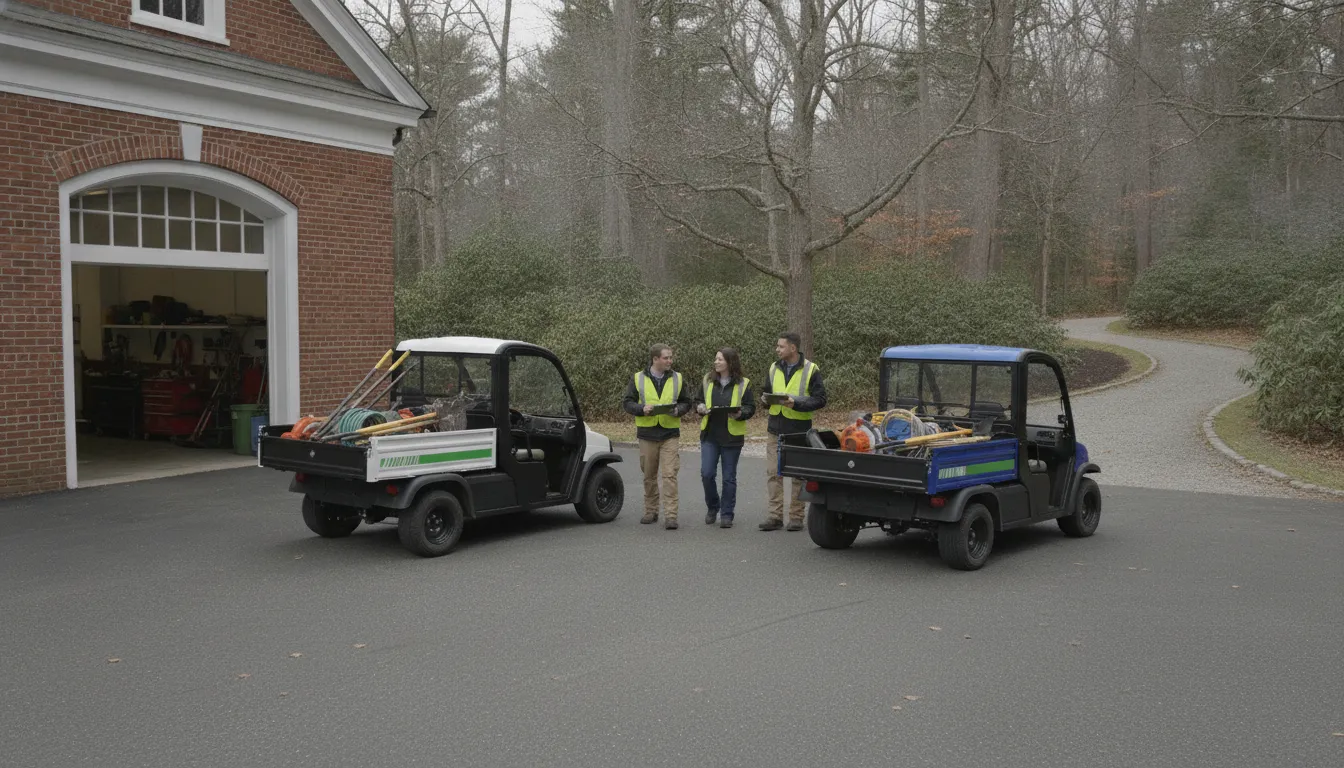
Consistent inspections, qualified technicians, reliable parts access, and mobile support form a practical uptime strategy. Schedule service with c2 Vehicles to discuss maintenance needs for your commercial Club Car fleet.
Sometimes, but the answer depends on the specific vehicle, its equipment, and where it will operate. A commercial Club Car used on a private golf course, resort, campus, or industrial property does not automatically qualify for public-road use. Street legality is generally tied to a vehicle's low-speed vehicle (LSV) classification, required safety equipment, and applicable Department of Transportation (DOT) standards. It also depends on the rules of the state and municipality where your fleet will travel.
That makes a site-specific review an important part of commercial vehicle selection. Before purchasing, identify whether vehicles will remain on private property, cross public streets, or travel between nearby facilities. Confirm the route, posted speed limits, road access, registration requirements, insurance obligations, and any local restrictions with the appropriate state or municipal authority. A vehicle that is suitable for one New England location may not have the same permitted use in another.
Some Club Car models are designed for neighborhood and low-speed transportation, including the Onward 4 Forward LSV. When properly approved and equipped, an LSV can be appropriate for defined routes where local rules permit its use. The model's lithium power system can provide longer range and zero-maintenance battery operation, which may be useful for campuses, resorts, planned communities, and other operations that need frequent short-distance transportation.
Do not assume that every Club Car utility vehicle, golf cart, or commercial configuration is street-legal. Carryall utility vehicles are commercial-grade work platforms available with cargo-bed and gas or electric drivetrain options, but their work-ready design alone does not establish LSV or DOT approval. Match the vehicle to the job first, then verify whether the exact configuration meets the requirements for any public-road use.
c2 Vehicles can help commercial buyers evaluate vehicle roles and operating requirements before they commit to a fleet. Discuss your routes, terrain, passenger or cargo needs, and service expectations with a commercial fleet specialist, then confirm legal requirements locally before placing vehicles on public roads.
Commercial vehicles are only useful when they fit the operation around them. A golf course may need dependable transportation between tees, a resort may need vehicles for guest service and maintenance, and a municipality may need a practical way to move people and equipment across a campus. c2 Vehicles supports those different requirements with regional expertise, fleet consultation, delivery, and service that extends beyond the initial purchase.
c2 Vehicles operates seven locations across all six New England states, giving commercial customers a nearby point of contact for sales, parts, and service. That regional footprint matters when a fleet is spread across properties or when a vehicle needs attention during a busy operating season. It also gives territory managers a clearer understanding of local conditions, including the demands of coastal communities, resorts, campuses, golf facilities, and municipalities.
A territory manager can help evaluate how vehicles will be used before recommending a configuration. The conversation can cover passenger capacity, cargo needs, terrain, operating hours, powertrain preferences, storage, charging, and the number of vehicles required now versus later. That process helps a buyer choose a fleet that supports daily work instead of simply selecting the most familiar model.
For golf courses and country clubs, c2 Vehicles can help align vehicle selection with course operations, grounds work, and guest transportation. Explore Club Car fleet solutions for golf operations to see how the right mix of utility and passenger vehicles can support the property. Commercial buyers can also discuss custom solutions, flexible financing or leasing, and regional delivery with the c2 Vehicles commercial team.
Not every organization needs to own enough vehicles for its busiest week of the year. c2 Vehicles maintains a rental fleet of more than 500 vehicles, giving commercial operators a flexible option for peak-season coverage, special events, and temporary capacity without a full purchase commitment. Rental and commercial team support let a resort, event venue, or campground add capacity when demand spikes and keep capital focused on core equipment.
A territory manager can also help compare acquisition approaches, evaluate the number and type of vehicles your operation needs, and develop a solution around your budget, replacement schedule, and seasonal patterns. That kind of planning keeps a fleet sized to the work instead of the calendar.
Request a fleet quote from the commercial team
Here are quick answers to the most common questions commercial buyers ask about sourcing a commercial club car for sale New England.
The best fit depends on the work. For cargo-intensive grounds, maintenance, and delivery duties, the Club Car Carryall Utility Vehicle is usually the first choice because it offers a commercial-grade platform with cargo bed options and gas or electric drivetrains. Onward suits guest-facing passenger transportation, while a compact Tempo or i2 configuration can handle routine campus and facility trips. A fleet consultation helps match each model to the payload, route, and duty cycle for your operation.
Only certain qualifying low-speed vehicle (LSV) configurations may be street-legal, and rules vary by state and municipality. A standard utility vehicle used on private property does not automatically qualify for public roads. Confirm the exact model's LSV or DOT approval, the required safety equipment, and local registration rules before assigning any vehicle to public-road travel.
Yes. c2 Vehicles' commercial team supports flexible financing and leasing to help organizations manage capital expenditures when purchasing several vehicles at once or expanding an aging fleet. Leasing can provide a predictable payment structure and make it easier to refresh equipment on a defined schedule.
Yes. With seven locations across all six New England states, factory-trained technicians, OEM parts, and mobile, on-site, and door-to-door service, c2 Vehicles can support a fleet spread across the region. A structured 25-point inspection and a documented service plan help keep every unit ready for daily operations.
Yes. c2 Vehicles offers Certified Pre-Owned vehicles that are up to 5 years old, serviced in-house, and backed by a 3-year bumper-to-bumper warranty. Pre-owned units are a practical way to add capacity for seasonal demand, event venues, and rental operators without the cost of an all-new fleet.
The right fleet plan can align vehicle selection, service needs, and day-to-day operations with how your New England property works. c2 Vehicles commercial specialists can help you evaluate options, coordinate with territory managers, and plan regional delivery for your organization.