
contact us

A simple golf course cart is not built to handle the traffic on public New England roads. You must choose a vehicle that meets all federal safety rules. This choice keeps you safe on the neighborhood streets.
Explore street legal golf carts available from c2 Vehicles
Street legal golf carts are legally called Low Speed Vehicles (LSVs) when they are made for use on public roads instead of just the golf course. The National Highway Traffic Safety Administration requires a top speed of 20 to 25 mph along with safety parts like headlights, mirrors, and seat belts. In states like Rhode Island and Connecticut, these vehicles can be registered and driven on many public roads with speed limits of 35 mph or less. These rules ensure that every driver and passenger stays safe while sharing the road with larger cars and trucks in your local New England community. By picking a vehicle that meets these federal rules, you can enjoy a safe and legal drive in your local neighborhood or coastal town.
Many people use the term "street legal golf carts" when they talk about small electric cars. But in the eyes of the law, a standard golf cart is much different from a Low Speed Vehicle (LSV). Knowing the difference helps you stay safe and follow the law. It also makes sure you buy the right vehicle for your needs and your town. If you use the wrong vehicle on the road, you could face large fines or safety risks. This guide will show you how to tell them apart.
A Low Speed Vehicle, or LSV, is a motor vehicle that meets U.S. safety rules. According to the NHTSA, an LSV must be able to go faster than 20 mph but slower than 25 mph. These vehicles are built to drive on public roads with other cars. They must meet high safety steps to protect the driver and those in the car. Unlike a basic cart, an LSV is treated much like a small car by the law. This means they are subject to strict build rules.
To be street legal, an LSV needs a set of safety gear. This includes headlights, tail lights, and stop lamps. They must also have turn signal lamps and reflectors. Every LSV needs a 17-digit code known as a VIN. These features let the state register the vehicle just like a car or truck. You will also need to have mirrors, seat belts, and a strong windshield. At C2 Vehicles, we help you find the best street-legal golf cart models that meet all these rules for your home.
A standard golf cart is made for the golf course or private land. Most of these carts have a top speed of 20 mph or less. U.S. rules do not count them as motor vehicles. Because they lack gear like mirrors and windshields, they are usually not legal for use on public streets. They are great for the course but not for traffic. Driving a basic cart on the street can be dangerous because they lack the frame and safety parts found in an LSV. They are not built to handle crashes with larger cars.
If you want to drive near your home, you likely need a true LSV. These are built for safety and follow the rules from the start. Some people try to add parts to a basic cart to make it street legal. But a true LSV from a dealer is often the safest path. This makes sure all parts meet the rules for road use. It also gives you peace of mind when you drive on busy neighborhood roads with your family. Brands like Club Car and GEM offer high-quality LSVs that are ready for the road.
| Feature | Standard Golf Cart | Low Speed Vehicle (LSV) |
|---|---|---|
| Design | Built mainly for courses and private property | Built to meet federal motor vehicle standards for LSVs |
| Safety Gear | Equipment varies | Road-use safety equipment and a VIN |
| Road Use | Depends on state and local rules | Depends on state, town, route, registration, and insurance rules |
| Buyer check | Confirm whether local rules allow the cart on an intended route | Confirm registration, insurance, licensing, and allowed roads |
In New England, the rules for driving these vehicles can change from one town to the next. For example, some states let LSVs drive on roads with speed limits of 35 mph or less. Others may have strict rules about where you can go. Some coastal towns have set paths for LSVs. It is key to know your local laws before you take your vehicle out for a drive. What is legal in one town might not be legal in the next town over. Rhode Island and Connecticut have their own set rules for LSV use.
Before you buy, you should check your local town or city hall. They can tell you the exact New England street-legal LSV requirements for your area. Following these local rules is the best way to avoid fines. Our team at C2 Vehicles knows these local laws well. We can help you pick a vehicle that fits the rules in your area. This helps you enjoy your ride without any legal stress. Whether you are in Maine or Cape Cod, we can help you find the right path.
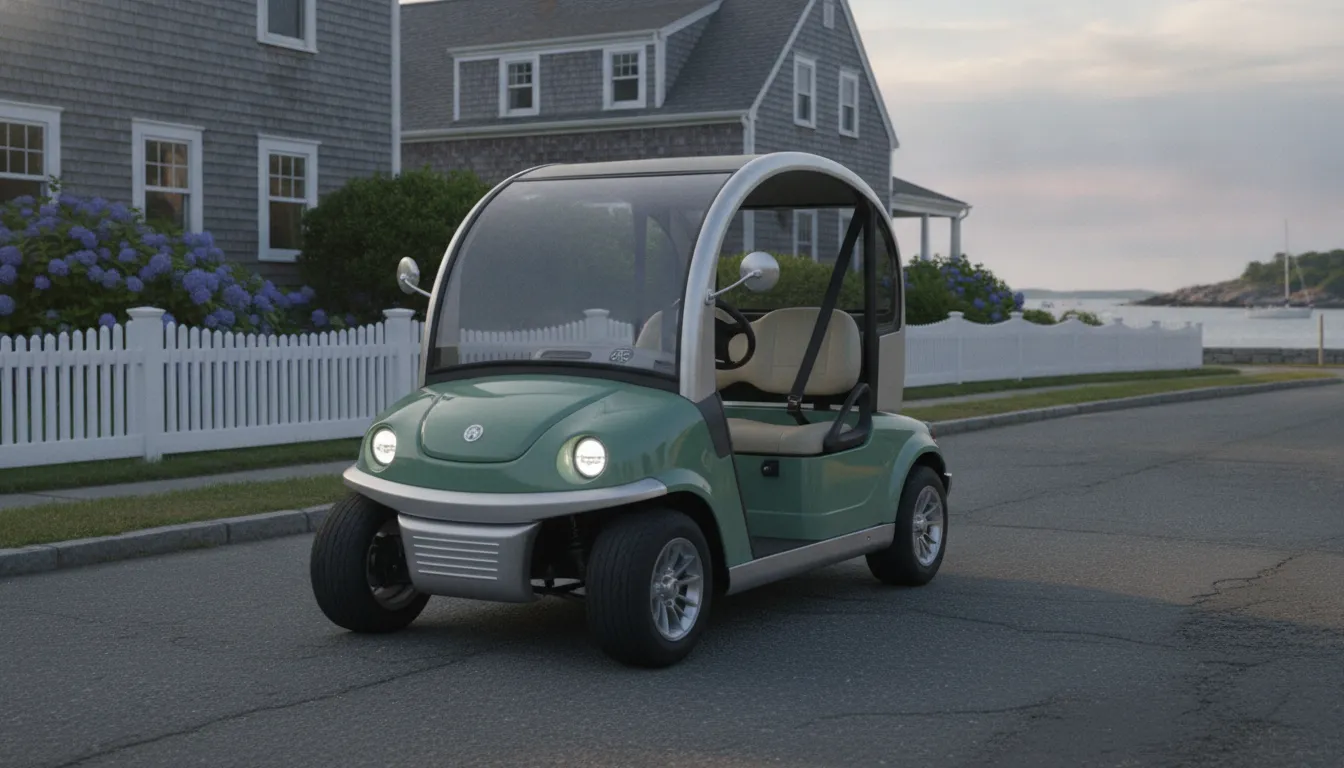
Many people want to drive their street legal golf carts on local roads. To do this, the cart must meet federal rules for Low Speed Vehicles (LSVs). Standard carts made for the course do not have the right safety gear. You need specific parts to stay safe near cars. Adding a few lights to a course cart does not always make it legal for road use.
To be legal on many roads, a vehicle must follow federal safety standards. These rules list the gear you need to stay safe. Most street-legal carts must have these items:
These parts help other drivers see you when you turn or stop. They also protect you from wind or debris while you drive. A parking brake is also a must to keep the cart still when you park it. Without this gear, your cart is not safe for road use.
It is vital to know that these parts must be factory-made or set up by pros. Choosing street legal golf carts that are built for the road can save you a lot of time and money. If you try to add the gear yourself, the vehicle might not pass a state test. It is best to have all the needed gear from day one.
A street-legal cart is more than just a cart with extra lights. It must have a 17-digit Vehicle Identification Number, or VIN. This code is like a social security number for your car. It proves the vehicle was built to meet road rules. It also lets you track the past of the cart and get it insured.
Standard carts often have a serial number, but this is not a VIN. If your cart was not built as an LSV, it may be hard to get a real VIN later. You cannot just buy a VIN and stick it on your cart. Buying a cart that is already road-ready, like the best street-legal golf cart models, is often the safest path. This ensures the unit has a legal VIN from the start.
After you have the right gear, you still need to follow state law. Each state in New England has its own rules. In places like Connecticut and Rhode Island, you must register the vehicle with the state. You also need to buy insurance for the cart, just like you would for a car or truck. This protects you in case of a crash.
Rules can also change by town or city. Some towns allow street legal golf carts on roads with low speed limits. Others may not allow them at all or only on certain paths. You should check your local New England street-legal LSV rules before you drive. This helps you stay safe and avoid fines.
Keep in mind that speed limits for these vehicles are strict. By federal law, an LSV must be able to reach at least 20 mph but no more than 25 mph. If your cart goes faster or slower, it may fall under different rules. Most states only allow them on roads where the speed limit is 35 mph or less. Always look for signs to see if you can drive there.
Operating street legal golf carts involves following both federal and state rules. These vehicles, known as Low-Speed Vehicles (LSVs), can go on many public roads where regular carts cannot. Under federal safety standards, an LSV must be able to reach speeds between 20 and 25 mph. Because they meet these standards, they are allowed on roads that have low speed limits. This makes them a good choice for driving to the local shop, visiting a neighbor, or moving around a large community.
The most important factor for where you can drive is the posted speed limit. In most New England states, you can drive a street-legal LSV on roads with a speed limit of 35 mph or less. For example, Rhode Island law allows these vehicles on public roads within this speed range. If a road has a higher limit, like 40 or 50 mph, you typically cannot drive on it. Even if your vehicle is street legal, you must stay on these slower streets to keep yourself and others safe. This rule helps keep traffic moving well and reduces the risk of crashes with faster cars.
While federal rules set the base, each state in New England has its own specific laws. In Connecticut, you can drive an LSV on roads with limits up to 35 mph if the vehicle meets all federal safety standards. However, Maine has much stricter rules that may limit where even a street-legal cart can go. Beyond state laws, towns and cities can pass their own local rules. Some vacation spots or private areas might allow carts on all their roads, while others might ban them from main town centers. Because these rules change so much from one place to the next, it is vital to check with your local town clerk.
Before you take your vehicle out, you must ensure it is registered and insured like a car. You should also look for local signs that might ban LSVs from certain streets or intersections. C2 Vehicles serves customers across all six New England states and understands these New England street-legal LSV requirements. Our team can help you find a model that fits your needs and provide advice on local rules. Whether you need a cruiser for the beach or a work vehicle for a resort. Knowing the local laws will help you enjoy your ride without any legal trouble.
Choosing the right vehicle starts with how you plan to use it. Many people look for New England street-legal LSV requirements to see if they can drive on local roads. The best choice depends on whether you are running errands in a coastal town or running a busy resort.
If you want to visit friends or grab coffee, a street-legal model is the best fit. These vehicles look like golf carts but have the safety gear needed for public roads. Models like the Onward 4 Forward LSV are built for these quick trips. They offer lithium power and zero-maintenance batteries for a smooth ride. You can drive them safely through gated areas or beach towns.
True Low Speed Vehicles (LSVs) must follow strict federal safety standards set by the NHTSA. These rules require items like headlights, turn signals, and seat belts. Unlike standard carts, LSVs can travel on roads where speed limits are 35 mph or less. This is true in states like Rhode Island and Connecticut. This makes them great for vacation spots and small towns.
Large sites need more than just a way to get around. Campgrounds and schools often use work models to move tools and gear. The Club Car Carryall series is a top choice for these heavy jobs. These vehicles have cargo beds and can run on gas or electric power. They help your staff work faster across big sites and keep the grounds looking great.
Resorts in Maine and New Hampshire also use these fleets for guest services. You can use them to carry luggage or move rental units to different areas. Since these vehicles are built for work, they are tough and reliable. c2 Vehicles offers custom solutions to fit the exact needs of your site or business. We make sure you have the right gear for every task.
Cities and towns across New England use small vehicles for many tasks. Property managers and public works teams use them to save on fuel and space. Because rules vary by town, it is smart to check with your local clerk before you buy. Many places allow LSVs on neighborhood roads but block them from main highways. We help you find a fleet that meets both state laws and local needs.
As the largest dealer in the region, c2 Vehicles helps fleet buyers find the right mix. We serve all six states with more than 40 years in business. We also offer mobile service and factory-trained staff to keep your fleet running well. This includes door-to-door service and full inspections for every unit. This ensures your team can stay on the move all year long without any stress.
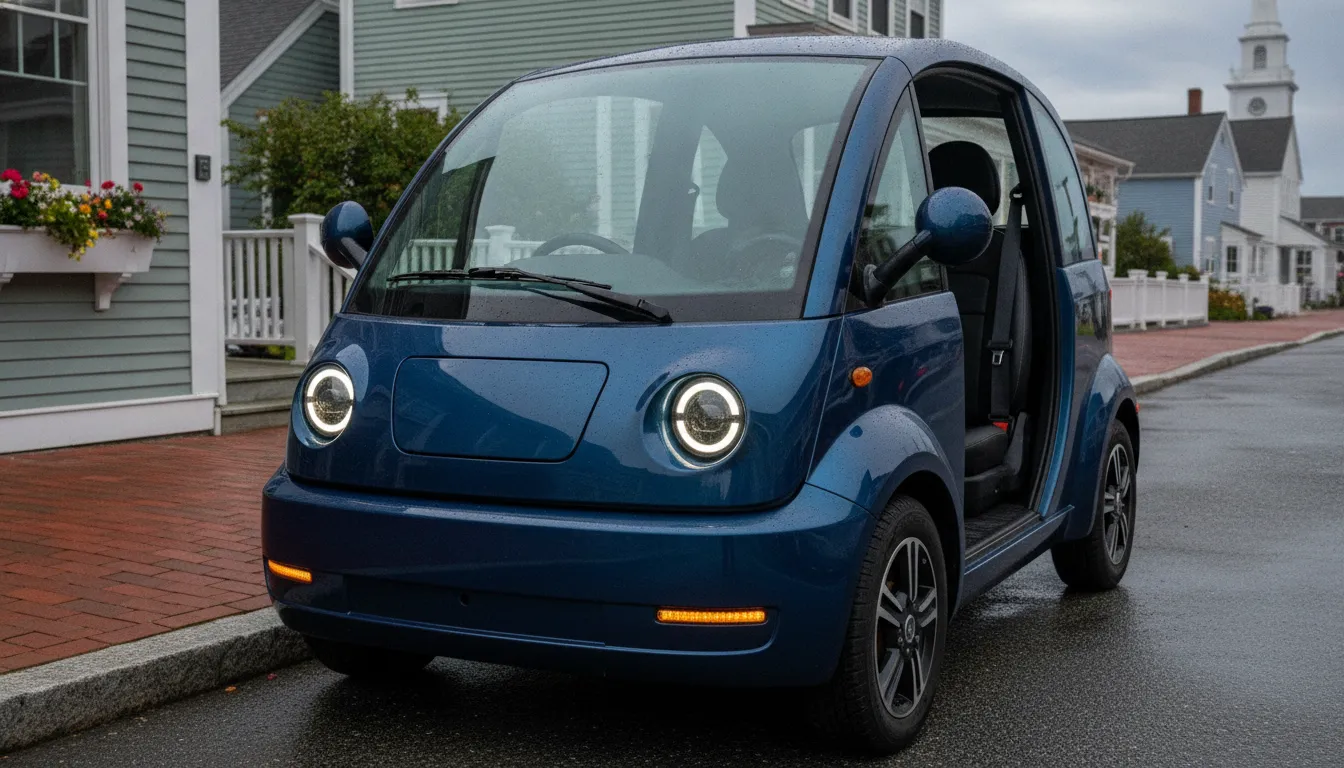
Finding the right vehicle for road use takes careful thought.
A normal golf cart is made for the course. It mostly cannot drive on public streets. If you want a car for your town or beach, you likely need a Low-Speed Vehicle (LSV). People often call these street legal golf carts. But they must follow strict rules from the state and the law. Choosing the right one means looking at where you will drive. You must also check what safety gear the car has.Finding the right street legal golf carts starts with knowing the facts. You must know the gap between a standard cart and a low speed vehicle (LSV). Standard carts often top out at 20 mph and do not meet U.S. safety rules. True LSVs are built to go between 20 and 25 mph on public roads. As the largest dealer in New England, c2 Vehicles offers many road-ready choices. These cars have the safety tools needed for town streets.
We carry top brands like GEM, Moke America, and the MadJax X-Series. Each brand offers unique styles for local use. For those who want a classic look, we offer Club Car street-legal carts like the Onward 4 Forward LSV. This model has lithium power and a smooth ride for up to four people. These choices help you find a car that fits your style and your local road rules.
Business owners also have great choices for work sites and resorts. The Club Car Carryall series comes in gas or electric models with cargo beds. These work cars work well for land managers who need to move gear on public roads. Our team helps you pick the best model for your set tasks. We make sure your fleet meets the needs of your business while staying safe on the road.
Federal law needs set safety tools for any car used on public roads. Based on the National Highway Traffic Safety Administration, an LSV must be a four-wheeled motor vehicle. It must reach speeds over 20 mph but under 25 mph to fit. These rules make sure that small cars can share the road with cars safely. Standard golf carts often lack these parts and cannot be used on most public ways.
To meet these rules, road-ready cars must have several key parts. These features protect the driver and others on the road. Most LSV models come with the following set tools:
Rules for street legal use change based on where you live. Each state in New England has its own laws for these cars. For example, some states allow LSVs on roads with speed limits up to 35 mph. But local towns can still set their own rules or ban certain roads. We suggest you read our New England street-legal LSV rules to learn more about your state.
Before you buy, check with your local town or city clerk office. They can tell you which streets allow small electric cars. Our staff can also help you know how to register and insure your new cart. We have over 40 years of history helping people in New England stay mobile. Let us help you find a safe and legal way to get around your town.
A standard golf cart is made for the golf course and stays under 20 mph. A Low Speed Vehicle (LSV) is a motor vehicle that can go between 20 and 25 mph. According to the NHTSA, LSVs must meet federal safety rules to drive on public roads. Standard golf carts lack these safety features. This means they are often limited to private property or golf courses rather than city streets.
To be street legal, a vehicle must meet federal safety standards. This includes having headlights, tail lights, and turn signals. You also need a windshield, seat belts, and a parking brake. According to federal rules, the vehicle must have a 17-digit vehicle identification number (VIN). These parts help keep drivers safe when they are near larger cars on the road. Without this gear, a vehicle cannot be registered for street use.
No, you cannot drive these vehicles on every road. Most states in New England only allow Low Speed Vehicles on roads with a speed limit of 35 mph or less. Local towns can also pass their own laws to limit where you drive. According to C2 Vehicles, rules vary by state and town. You should check with your local city clerk before you drive on a new path. This ensures you stay safe and follow the law.
Yes, you need insurance for any vehicle you drive on public roads. Since a street legal Low Speed Vehicle (LSV) is a motor vehicle, it must be registered and insured. These rules help protect you and others if there is an accident. In states like Rhode Island, you must show proof of insurance and get a license plate. Standard golf carts used only on private land may not need the same level of coverage.
Choosing the wrong classification can delay registration or keep you off the routes you planned to use. Start with a clear review of your local rules, daily trips, passenger needs, and service plan so you can shop with confidence.
Ready to compare options? Request a quote from c2 Vehicles to discuss road-ready vehicles and your intended New England routes.