
contact us

A golf cart for campground use is a key tool for moving work crews, taking guests around, or starting a rental fleet. For getting work done fast, a 48-volt motor or a lithium power system gives the torque needed for rough ground and hills. Work vehicles with cargo beds help grounds teams carry heavy tools. Shuttle models with four or six seats help guests reach far spots on the property. You must also put safety first, as business sites need clear safety rules to reduce the risk of transport mishaps. By matching the power source and seating to your layout, you can lower costs and manage your site better all season long.
Request a campground fleet quote from c2 Vehicles.
Choosing the right fleet is a smart move for your site's long-term success and safety. You should understand how these vehicles help you save money and make daily work easier for your staff. The journey begins by seeing Why a golf cart for campground operations pays off.Running a big campground in New England takes a lot of time. Staff must move across many acres to fix leaks, clean sites, or check on guests. Walking these paths takes too long. A work golf cart for campground use helps your team get more done in less time. These carts come with cargo beds to hold tools, mulch, or trash bins. This makes it simple to haul heavy gear to the edge of the park.
Choosing a cart with the right power is key for rough land. Experts say a 48-volt motor is best for parks with hills or dirt roads. This motor gives the cart the push it needs to climb without losing speed. Using lithium packs is another smart move. Lithium packs need no water and last longer than old lead-acid types. They also weigh less, which means less wear on your grass and paths.
Happy guests are the goal for every RV park or camp. A golf cart can make their trip much better. Many parks use large carts as shuttles to take guests to the pool, beach, or camp store. Using a quiet electric model ensures that noise does not wake up sleeping campers. The Onward 4 Forward LSV is a top choice because it runs silently and has a smooth ride. It also helps guests who have trouble walking enjoy the whole park.
Rentals are also a great way to earn more money. Many groups want to rent a cart for the week so they can leave their big trucks at the site. Offering 6-passenger golf carts for campgrounds allows large groups to ride together. This keeps the roads clear of too many cars. It also creates a fun, easy vibe that keeps people coming back each year. For parks near town roads, street-legal golf carts may be needed to let guests drive to local shops.
Running a fleet of carts takes more than just buying them. You must keep them safe and in good repair. Research shows that golf cart injury research can happen when drivers are not trained. Setting firm speed limits and rules for your park is a must. This helps protect kids and pets who may be playing near the roads. Using proper safety plans ensures your guests have a fun time without any risks.
Care is also vital for high-use fleets. C2 Vehicles helps New England owners keep their carts on the road. We have seven spots across the region and offer mobile service to your park. Our trained team can fix issues on the spot so your work does not stop. When you are choosing the right golf cart, we can help you find a plan that fits your budget. Our local leads offer fleet help to make sure you get the best tools for your site.
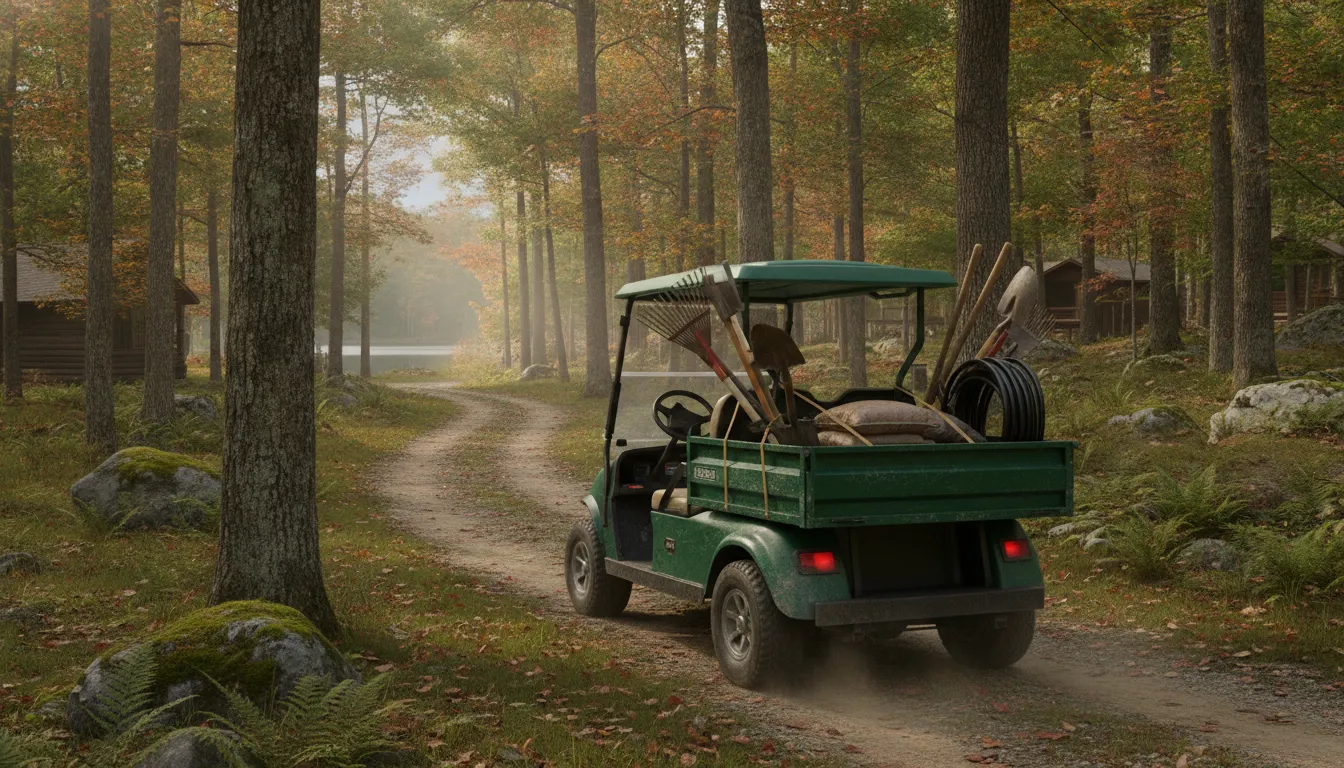
Picking the right golf cart for a campground starts with a clear plan for its use. Large sites often need a mix of cart types to keep guests happy and help staff stay on task. Whether you are moving families to the pool or hauling gravel to a far site, the motor and build must match the work. At c2 Vehicles, we help site managers find the best way of choosing the right golf cart for their New England land.
Most parks use multi-seat carts to move guests from their RV sites to main areas. A 48-volt motor is often best to give the power needed for steep hills or rough trails. For larger groups, 6-passenger golf carts for campgrounds let you move entire families in a single trip. These carts focus on comfort and are easy to use for people of all ages.
Safety is a top goal when moving guests through busy areas. Data shows that golf cart injury research have risen in the U.S., which makes training and vehicle rules vital for any park. Low-speed vehicles (LSV) offer extra safety gear like lights and mirrors. Keep in mind that not all carts are street-legal, so you should check local rules for your town or state.
Work teams need tough carts that can carry heavy loads. Utility carts with cargo beds are the main tools for any park staff. These models often use gas or electric power built for long days of hauling wood, trash, or tools. Having a fleet of utility carts can make your staff much faster as they move through large sites to reach far spots.
Safe vehicle use is just as vital for staff as it is for guests. Grounds teams must know how to safely handle waste while they drive. This helps prevent spills and keeps your park clean for everyone. A heavy-duty work build ensures that your team can do their jobs without the cart breaking down often.
Each vehicle type offers different perks based on your daily needs and park layout. Use this table to see which build fits your goals.
| Vehicle Type | Best For | Key Feature | Power Source |
|---|---|---|---|
| 4-6 Passenger | Guest Shuttles | Soft Seating | Electric (Lithium) |
| Utility / Work | Maintenance | Cargo Bed | Gas or Electric |
| Lifted / Off-Road | Rough Land | High Clearance | High-Torque Electric |
| LSV Models | Street Use | DOT Safety Gear | Electric |
| Compact / RV | Personal Use | Small Build | Electric |
Choosing between gas and electric power depends on how much you plan to use the cart. Lithium batteries are a top choice for guest transport because they are quiet and need no care. They also offer a longer range for large parks with many miles of trails. Gas carts are still used for heavy work where you may not have time to stop and charge the cart during a shift.
If your park has many hills or sandy paths, look for high-torque motors. A strong motor ensures the cart does not stall or slow down too much when it is full of gear or people. For personal use, RV owners often like small or folding builds. These small carts are much easier to store in an RV or trailer while you travel between different parks.
Choosing the best golf cart for campground use starts with a look at how your team and guests move. Large parks with many acres need tools that work hard every day. A smart choice helps your staff work faster. It also makes the trip from a camp site to the lake or the store much easier for your guests.
The ground at your park helps you pick the right motor. For sites with steep hills or dirt paths, a 48-volt motor is the best standard. This power gives the torque you need to climb slopes without a drop in speed. It also helps when you carry heavy tools or a full load of guests across rough tracks.
You also must choose between gas and electric power. Lithium-ion batteries are now a top pick for many park managers. These units are light and need no care, which saves time for your shop team. They also offer a long range and a quiet ride. This keeps the park calm for campers who want to sleep in. If you run a remote site with few plugs, a gas-powered work vehicle might fit your long shifts better.
Think about how many people or how much gear you need to move. For guest shuttles, 6-passenger golf carts for campgrounds are a great pick. They let you move large families in one trip. This saves time for your staff during busy check-in hours. It also makes your park feel more like a great resort.
Work teams need different tools. They often need a cargo bed to haul mulch, wood, or trash cans. Look for models with high weight limits and tough beds that can take a beating. When you are choosing the right golf cart, check the size of your paths. A smaller cart is better if you have narrow trails or thick trees.
Safety is the most vital part of managing a fleet. Reports show that injuries from golf carts have gone up in recent years. This fact shows why you must set firm rules and buy safe carts. Look for models with lights, mirrors, and seat belts to keep everyone safe as they move through the park.
You also need to check local road laws. Some parks let carts stay on dirt paths, but others have spots where you must cross a main road. In these areas, you may need street-legal golf carts that meet DOT rules. These Low Speed Vehicles (LSVs) have the safety gear needed to stay legal and safe when you leave your own land.
The choice between gas and electric carts is a big move for any site owner. Both types have clear pros and cons when you pick a golf cart for campground use. When you are choosing the right golf cart, you must look at your land and work needs. You must think about daily tasks and long-term costs before you buy.
Electric carts are the top pick for many modern camp sites. They run with almost no noise, which helps keep the peace for guests who want a quiet stay. Many new models now use lithium power to give a smooth ride and long range. These batteries need zero care and last much longer than old lead-acid types.
For sites with hills or rough spots, a 48-volt motor is often best. This setup gives the cart the speed and pull it needs for steep slopes. While they need a place to plug in, the lack of gas fumes makes them a clean choice for busy parks. They are ideal for guest shuttles where quiet is key.
Electric carts need a solid charging plan. You must have enough outlets and power to handle the whole fleet at night. Lithium carts charge fast and can handle small charges during a lunch break. This helps them stay ready for guest rides through the day. If your site has a big guest list, you need to ensure the grid can handle the load.
Gas carts still have a place in many fleet plans. They are great for sites that do not have power at every shed or storage spot. Gas carts can run all day with a quick fuel stop. This makes them good for heavy work like hauling trash or towing gear for guest check-ins. They are built for long days with heavy use.
Cold weather is also a factor for New England sites. Gas engines often start more easily in the frost than some older battery types. They can handle long paths and heavy loads without the fear of running out of power. For repair crews who work in all types of weather, a gas cart is a tough and solid tool.
Gas carts need a safe place to store fuel. This means following fire codes and local rules. While they avoid the need for a big power grid, the smell of gas can be a turn-off for some guests. You must weigh the ease of fueling against the goal of a clean look for your park.
No matter which power source you pick, safety must come first. Data from U.S. emergency rooms shows that injuries are on the rise. Proper training for staff and clear rules for guests can help lower these risks. Using vehicles with the right speed limits and safety features is a smart move for any site owner.
Running a fleet also means thinking about care. High-use carts need expert help to stay on the road. Models that are street-legal golf carts might also be needed if your site has road crossings. Working with a team that offers mobile help keeps your carts moving through the busy season.
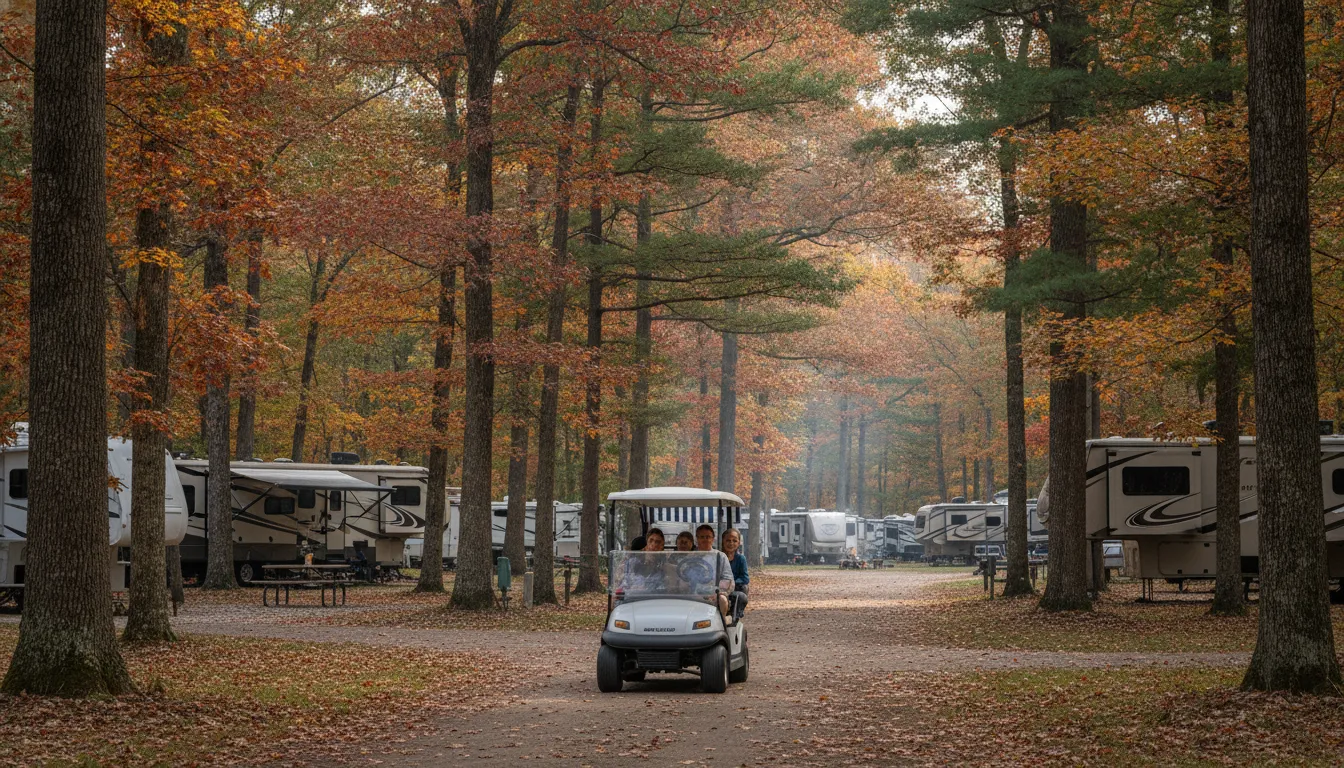
A rental program makes it easy for guests to get around large parks. Giving a golf cart for campground guests adds value and brings in extra cash. To keep things running well, you need a clear plan for your fleet. This starts with set rules and a safe path for every rental.
Your program needs a firm set of rules. Start by checking your local town or state laws for low-speed carts. Some areas have strict rules for street-legal golf carts on public roads. You should also set an age limit for drivers. Most parks ask for a valid driver's license to rent a cart. This helps make sure that drivers know the basics of road safety and how to use the cart.
Write your rules in a simple way. Give every guest a copy when they check in. Include notes on where they can and cannot drive. For example, some trails might be too steep or soft for a cart. Clear maps help drivers stay on track. You should also list quiet hours so that cart noise does not bother other campers at night.
A quick check before each rental helps avoid fights over damage. Walk around the cart with the guest to look for any old dents or marks. This makes the handoff clear and fair. You should also show them how the controls work. A short talk helps them feel safe before they drive away. It is also a good time to go over parking rules for the site.
Charging is a key part of the daily plan. If you use lithium-powered carts, the work is simple and needs very little care. Give guests clear steps on how to plug in the charger at their site. Remind them to check the power levels often. This stops a cart from getting stuck far from a plug. Good charging habits keep your fleet ready for the next user.
Safety is the most vital part of any rental fleet. Use a signed form to make sure guests know the risks and their own roles. It is key to have a set plan for any crashes or cart issues. Give guests a phone number to call if they need help. Quick help keeps small bugs from becoming big problems for your staff.
Data shows that hurts can happen in parks when safety is not a top goal. Research into injury prevention in parks shows that good rules save lives. Teaching guests about weight limits and safe speeds is a smart move. Regular fleet care also keeps each cart in top shape. A safe park is a happy park that guests will want to visit again.
Managing a golf cart for campground use needs a focus on uptime and safety. In New England, campgrounds have unique needs due to seasonal shifts and rough ground. A steady check on your fleet keeps vehicles ready for work or guest use. Proper care reduces the risk of break downs and helps your gear last. Using expert commercial fleet solutions helps you plan for long term use and growth.
Daily checks are the first line of defense for any fleet. Staff should look at tire pressure and brake feel before the day starts. Clean vehicles also last longer and help find leaks or loose parts early. For electric units, check battery water levels if they are not sealed. Lead acid batteries need distilled water to stay healthy and hold a full charge. Keeping a log of these checks helps find small issues before they become big repairs.
Safety is a top goal when guests or staff use carts in busy areas. Research shows that proper vehicle training and safety rules are key for commercial shops. Data from U.S. emergency rooms shows a rise in cart related injuries over time. This makes daily checks even more vital to ensure brakes and lights work well. You can find more on safety data and trends from the National Institutes of Health.
New England winters mean you must have a plan for the off season. Storing a golf cart for campground use the right way prevents battery drain and rust. If you use lithium power, follow the guide for storage charge levels. Lithium batteries offer zero maintenance and a longer range than lead acid types. Clean the vehicles and store them in a dry spot to keep them in peak shape for the spring rush.
Remote parks may find it hard to move a whole fleet for service. Having factory trained pros come to you keeps your team on the job. Mobile service is a must for high use fleets in remote spots. Experts can handle complex repairs and routine care on site. C2 Vehicles offers mobile support and parts to keep New England fleets running. This support helps you maintain high uptime for both work and rental units.
Safe campground travel starts with clear rules for all guests and staff. Creating firm policies helps protect people and property on your site. You should set low speed limits and mark clear routes for every golf cart for campground use. These simple steps reduce the risk of crashes and keep your paths safe for walkers and bikers.
Low speed limits are the best way to prevent harm on your grounds. Most parks keep cart speeds below 10 or 15 miles per hour to match the pace of foot traffic. You should also map out specific lanes for vehicles to follow. Keeping carts on paved or gravel paths protects your grass and helps drivers avoid holes or soft soil. Clear signs at entry points and near amenities remind everyone to stay in their lanes and watch for children.
Every cart has a set weight and seat limit that drivers must follow. Letting too many people ride can lead to tips or brake failure. If you use a large fleet, consider 6-passenger golf carts for campgrounds to move groups safely. Proper lighting is also vital for any travel after dark. Make sure all rental and staff carts have bright headlamps and rear lights. This helps drivers see the road and ensures others can see them from a distance.
Proper training for your staff and guests is a key part of injury prevention in community settings like campgrounds. Every driver should know how to use the brakes, steering, and any special features of the vehicle. Regular checks on tires and brakes can stop small issues from becoming big hazards. If your site uses carts on public roads, verify your local laws for street-legal golf carts before letting guests drive off the property. Rules for Low-Speed Vehicles (LSVs) vary by state and town, so staying up to date on these codes is a must for park owners.
Most campgrounds allow golf carts, but rules vary by location. Some parks need proof of insurance, a valid driver license, and speed limit adherence. According to c2 Vehicles commercial team, operators should always check local site policies before arrival. Data from the National Institutes of Health shows that good safety rules help lower the risk of accidents in business settings. Many campgrounds also enforce quiet hours for gas vehicles, making electric models a better choice for early or late travel.
You may need a street legal Low Speed Vehicle (LSV) if you drive on public roads within or near a park. These vehicles include features like mirrors, turn signals, and headlights. While many private parks allow standard carts, crossing public road segments often requires a registered LSV. You should consult street-legal vehicle options from c2 Vehicles to determine if your specific campground environment needs a DOT-approved vehicle for legal operation.
Remote campgrounds benefit from mobile service and factory trained technicians who can perform on-site repairs. Keeping high uptime for your fleet is vital during peak seasons when rental demand is high. Professional support from a regional leader like c2 Vehicles mobile service team ensures your utility vehicles stay in top shape without the need for off-site transport. Regular 25-point inspections help find small issues before they become costly repairs, keeping your grounds maintenance and shuttle operations running smooth.
Certified Pre-Owned (CPO) vehicles are often the best choice for campground rental fleets. These carts are usually up to five years old and receive full in-house service. According to c2 Vehicles utility vehicle inventory, their CPO units come with a three-year bumper-to-bumper warranty for added peace of mind. This path allows park owners to get reliable, high-quality vehicles at a lower cost than new models. It is a smart way to build a large fleet while managing your capital expenses.
Every day you wait to update your fleet is a day of lost time for your work crew and lower satisfaction for your guests. Choosing the right carts now means your park will run more smoothly and your teams can stay on top of daily tasks without any more delays. You get the reliable tools you need to keep your site in top shape all season long. Do not let your guest experience suffer because of old gear when you can have a better fleet today. By starting this process now. You can get ahead of the rush and make sure your vehicles are on site and ready to work for the next big holiday weekend or peak travel date.
Ready to request a commercial fleet quote? Call (401) 395-0808 to request a commercial fleet quote.