
contact us

A lithium golf cart cuts vehicle weight by hundreds of pounds while nearly doubling your driving range. It also eliminates the constant need for battery watering and acid cleaning.
A lithium golf cart uses new battery tech to provide more power and less weight than old lead-acid models. These vehicles are much easier to own because they do not need water refills or the cleaning of messy acid. You can charge them faster and drive much further on a single charge. Based on research on energy density, lithium-ion batteries are better because they offer longer lifespans and higher energy levels. While the starting price is higher, these batteries often last ten to twenty years. This long life saves money by not having to buy new batteries as often. Most owners enjoy better cart handling and less wear on tires and brakes because the battery pack is 70 percent lighter.
Switching to lithium changes how you use your vehicle every day in New England. You will spend less time on maintenance and more time on the course or on the road.
Choosing a lithium golf cart can change how you drive and care for your vehicle. Most people now use these batteries in most tools from phones to cars because they hold more power. For a cart owner in New England, this tech offers many real-world wins. You get a cart that is lighter, faster, and lasts much longer than older models.
The best part of a lithium-powered cart is how long it lasts. Standard lead-acid batteries often fail after two to five years. But a lithium golf cart battery can last between 10 and 20 years with the right care. This long life makes up for the higher cost you pay at the start. It saves you from buying new batteries every few years.
You also save time on weekly chores. Old batteries need you to add water and clean off acid. Lithium units are clean and do not need any watering. This zero-work design lets you spend more time on the course and less time in the shop. You can learn more about how lithium compares to lead-acid batteries in our full guide.
A lithium battery pack is much lighter than a lead-acid set. In most cases, lithium units are 70% lighter than the old style. This huge drop in weight helps your cart move faster and climb hills with ease. It also puts less stress on the tires, brakes, and motor. You will feel the change in how the cart turns and stops on the path.
Less weight also means you can carry more gear or more people without slowing down. Many owners find that their carts feel more nimble after the switch. To see these perks, you can explore our lithium stock to find the best fit for your needs. A lighter cart is also kinder to the grass on your lawn or the local greens.
| Feature | Standard Lead-Acid | Lithium-Ion |
|---|---|---|
| Weight | Heavy and bulky | Up to 70% lighter |
| Battery Life | 2 to 5 years | 10 to 20 years |
| Daily Care | Needs water and cleaning | No upkeep needed |
| Charging Speed | 8 to 12 hours | 4 to 6 hours |
| Power Output | Fades as charge drops | Steady until empty |
Power density is a key reason why lithium-ion is the top choice for modern electric vehicles. These batteries stay strong until they are fully out of juice. With lead-acid cells, the cart slows down as the battery gets low. Lithium keeps your speed steady for the whole trip. This means your last mile feels just as fast as your first one.
Charging is also twice as fast with this new tech. You can top off the charge at any time without hurting the cells. This lets you plug in for a quick boost during lunch. For busy users in MA or CT, more uptime means more fun. You spend half the time waiting for a full charge compared to old systems. This makes lithium a great choice for both work and play.
A lithium golf cart may travel roughly 30 to 45 miles per charge, depending on its battery capacity, passenger load, terrain, tire pressure, temperature, and driving style. Check the vehicle's published specifications and plan a reserve because real-world range varies by model and conditions.
In New England, the land and weather play a big part in how far you can go. Hilly ground takes more energy than flat paths. This can lower your total miles. Also, carrying four people adds weight and puts more strain on the battery. Even the wind and tire air can change your luck. Since lithium batteries are up to 70% lighter than lead-acid ones, they help the cart stay light, but you should still explore our lithium inventory to see which models fit your life.
New England weather changes fast, and heat or cold affects battery life. Lithium batteries are better because they offer faster recharge times and better work in varied air heat than old systems. Still, deep cold can lower the range a bit. When the air gets cold in Maine or Massachusetts, you might see a small dip in total miles. It is smart to keep your cart in a garage during the winter to help the battery stay in top shape for the next year.
Unlike lead-acid units, you can "top off" a lithium battery at any time. Doing this does not hurt its life. This makes it easy to plug in for a quick boost between trips or after nine holes. Most lithium systems can charge in half the time of old batteries. This gives you more time for your daily work. If you see a change in how your cart runs, it may be time for a check-up. Our factory-trained technicians can run a full test to make sure your battery pack is work-ready.

Picking the right battery is the key choice for your cart. Lead-acid batteries have been the standard for decades. They are cheap to buy at first but need a lot of work to keep running. Now, more owners are switching to a lithium golf cart setup. This new power source lasts longer and works better in daily use.
Lead-acid batteries are very heavy. A full set can weigh many hundreds of pounds. This extra weight puts a lot of stress on your cart. It can wear out your tires and brakes fast. In contrast, lithium-ion packs are much lighter. They can be up to 70% lighter than old lead-acid sets. This makes your cart fast and easy to steer on the path.
A light cart also does less damage to your turf. This is helpful if you use your cart on a golf course or a soft lawn. Because lithium units have high energy density, they pack more power into a small and light frame. This change in weight often makes the ride feel much smoother and more quick. It also helps your cart move better on hilly paths across New England. Lithium stays strong in cold weather, giving you steady power even when it is chilly out.
Lead-acid batteries need constant care. You must check the water levels in the cells often. If you forget to add water, the battery can fail. You also have to clean off acid that leaks out. A lithium battery is much easier to own because it needs zero maintenance. There is no water to add and no acid to clean up. This saves you both time and money on upkeep.
Charging is also much faster with lithium. Most packs charge in about half the time of lead-acid units. You can also "top off" the charge at any time. This means you can plug it in for a short while between trips without hurting the battery. You can learn more about how lithium compares to lead-acid batteries in our full guide. Keeping your power source full is the way to a good day on the road. Fast charging keeps you on the move during busy weekends. You won't notice your cart slowing down as the battery gets low.
Lead-acid batteries cost less when you first buy them. But they only last about 2 to 5 years. You will likely have to replace them three or four times over the life of your cart. Lithium-ion batteries can last for 10 to 20 years. This means they often pay for themselves over time. You don't have to buy new batteries every few seasons. The long-term savings are large when you look at the full life of the cart.
Many owners find that the long life and ease of use make lithium the better value. You get a better ride and less work for the same total cost over many years. If you need help maintaining your lithium golf cart, our team of experts is here to help. We can help you pick the best power source for your needs and budget. Our factory-trained staff knows how to get the most out of every charge. We offer expert care at all seven of our sites.
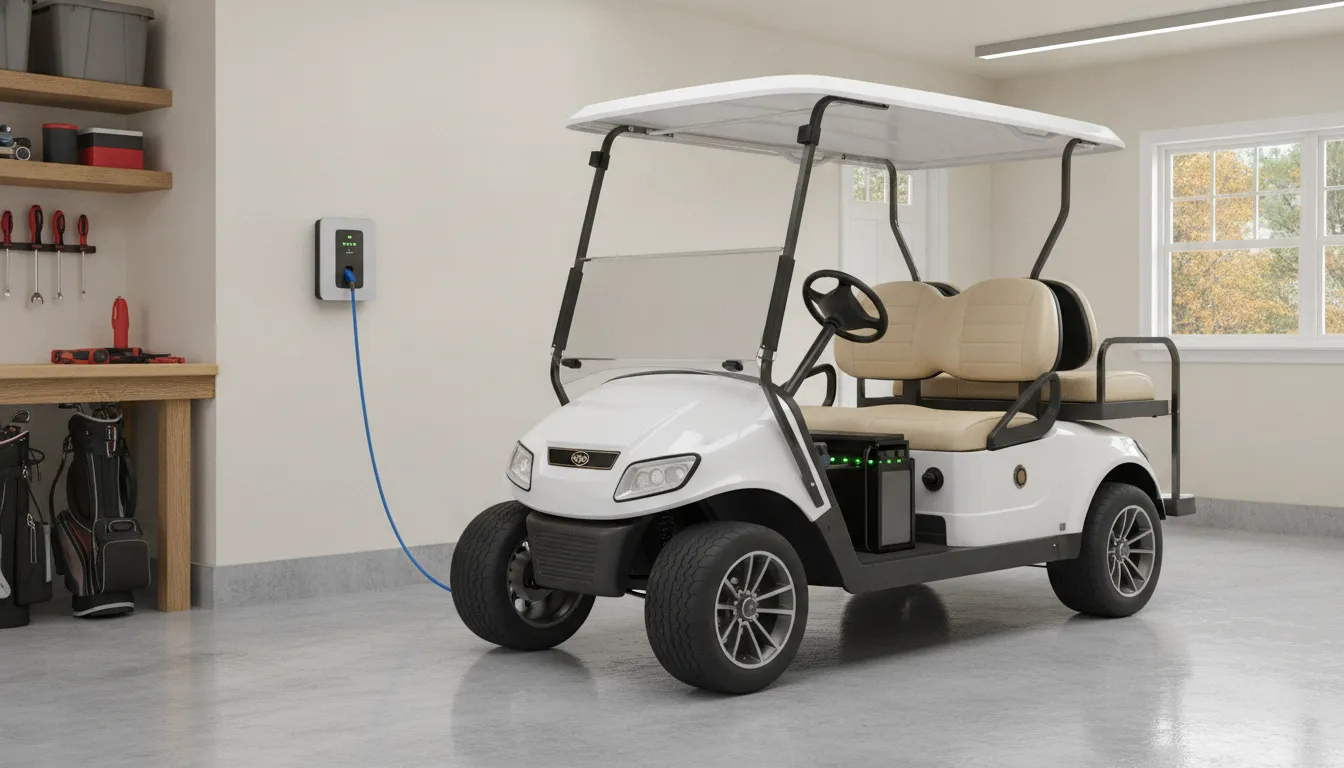
Lithium power costs more upfront and requires a compatible battery, charger, and vehicle electrical system. Owners also need to follow the manufacturer's temperature and storage guidance. In return, they typically gain lower routine maintenance, less battery weight, steady power delivery, and longer service life.
Lithium batteries for your golf cart cost more at the start, so you will pay a higher price when you first buy them. But these packs last much longer than lead-acid cells, as most lead-acid sets last about two to five years. A lithium golf cart battery can last ten to twenty years. This long life helps you save money over time. You will not need to buy new packs every few years. This makes the high start cost a smart move for most owners.
The total cost of owning a cart drops when you switch to lithium. You save on the labor and parts needed for old battery types. Lead-acid batteries need water and cleaning often, but lithium cells need almost no upkeep. You do not have to deal with acid leaks or messy ends. This saves you both time and stress. Over many years, the low work and long life make up for the big price at the shop.
You cannot just swap a lead-acid battery for a lithium one without a clear plan, so you must check if the new pack fits your cart. Many people use drop-in kits to make the change easy, but you will also need a new charger. Lithium batteries need a special tool to charge right. Old chargers can hurt the new cells. Lithium packs charge much faster than old types. This gives you more time to drive and less time at the plug.
High power density lets these batteries hold more power in a small box. This is why lithium-ion cells are the top choice for modern cars and carts. The light weight is a big plus, as lithium sets can be 70% lighter than lead ones. This change makes your cart easy to steer. It also puts less stress on the tires and frame. But a light cart may feel different on hills or sharp turns. You will need a short time to learn how the cart moves with less weight.
Cold weather can change how your battery works, but lithium works well in many heat levels. You must store them the right way in the winter, and a battery management system (BMS) is needed to keep the cells safe. The BMS stops the battery from getting too hot or too cold. It also keeps the power steady as you drive. This system checks each cell to stop damage. A good BMS ensures the battery does not get too hot during a fast charge.
Working with pros for maintaining your lithium golf cart helps you avoid safety risks. Expert help ensures your BMS and charger stay in good shape for years. If a battery is not made or set up right, it could get too hot. This is rare with top brands but still a risk to know. Pro set up is the best way to keep your cart safe. Our team at c2 Vehicles can help you find the right kit for your cart and weather. We make sure your new power source is ready for the New England seasons.
A lithium golf cart is especially useful for frequent neighborhood trips, golf, resort transportation, event operations, and commercial work where fast charging and dependable uptime matter. The best fit depends on passenger capacity, cargo needs, terrain, daily mileage, and whether the specific vehicle qualifies for local-road use.
Choose a lithium golf cart by matching published range, seating, cargo capacity, terrain capability, and charging access to your daily use. Decide whether a factory-built vehicle or a professionally assessed conversion is the safer value, then confirm service support and local-road rules before buying.
New carts are built from the ground up to use light power. This helps the cart handle well and puts less stress on the frame. If you upgrade an old cart, you can still get the perks of lithium-powered golf carts without buying a whole new cart. Either way, you get a cart that is lighter and easier to drive.
Think about how you will use the cart most of the time. If you only play golf, you may not need a long range. But if you drive around your town, you want a battery that can go far. You should also think about the load you will carry. Heavy loads or steep hills in New England need a battery with a lot of power.
Range is a big part of the choice. Some batteries can go for 40 miles or more on one charge. This is better than old lead batteries. Also, think about where you will charge the cart. Lithium batteries are safe and have fast recharge times, so you can top them off when you have a break. This makes them great for a busy day at the club or on the job.
Safety is key when picking a battery. Good brands use strong cases to keep the battery safe from water and dirt. For example, some cases meet high standards for safety. You also want a long warranty to protect your cost. Some brands give you eight to ten years of cover. This shows they trust the battery to last.
A good dealer will help you through the steps. They can show you how other models work and which battery fits your life. Use this checklist to find the right fit for your needs.
Support from a local dealer is a must. You need a team that knows lithium tech well. Factory-trained staff can help with any needs and use real parts for fixes. This keeps your cart safe and ready to roll for years. In New England, having a local shop nearby makes a big difference for your peace of mind.
Store a lithium golf cart according to the battery and vehicle manufacturer's instructions, ideally in a dry, protected location. Set the recommended state of charge, shut down the system if directed, avoid charging a frozen battery, and check tire pressure and battery status periodically during long storage.
Before the first snow falls, you must check your battery level. Most lithium units do best when stored with a charge between 50 and 80 percent. Unlike older carts, you do not need to keep a lithium battery on a charger all winter.
In fact, many people choose to fully shut down the power system to stop small leaks. These modern lithium-ion batteries are built for power and hold their charge well over several months. If your cart has a tow-run switch, make sure it is in the right spot for storage.
Cold air can be tough on every part of a cart, not just the battery. Since lithium packs are much lighter than lead-acid ones, there is less stress on the tires and frame during long sits. This is a big help for owners in coastal spots like Cape Cod or the islands. Still, you should check your tire pressure to prevent flat spots.
Wipe down the cart to remove dirt or salt that might lead to rust. If you drive a Club Car, your battery is likely in a sealed case that meets IP67 standards. This seal keeps out moisture, but you should still keep the cart in a dry, covered place.
Look over the wires to ensure everything is tight. This quick check helps you see how lithium compares to lead-acid batteries when it comes to easy care.
You do not have to handle winter prep alone. With seven spots across all six New England states, our team is always nearby to help. A pro service visit can include a full check of your cart's power and safety systems. Our trained staff knows just what your exact model needs for the winter.
Booking a visit for maintaining your lithium golf cart is a smart move for any owner. We can check your brakes, lights, and shocks to make sure everything is safe. We also offer mobile service, so we can come to your home or club.
This level of care keeps your cart in top shape for years to come. It ensures that when spring arrives, you can just turn the key and go.
Lithium golf cart batteries are built for long-term use. These power cells can last between 10 and 20 years with the right care. In contrast, old lead-acid batteries often fail after only two to five years. According to c2 Vehicles, this longer life makes lithium a smart choice for many owners. You will spend less time on battery swaps over the life of your vehicle.
Yes, you can use lithium power in most standard carts. Many owners choose drop-in kits to upgrade their current vehicles. These kits fit right into the same trays that hold lead-acid cells. This makes the change quick and simple. As noted by c2 Vehicles, these upgrade kits allow you to get better power without buying a brand-new cart. It is an easy way to improve your ride.
One of the best parts of lithium power is that it needs very little work. You do not need to add water or clean off acid like you do with lead-acid units. These batteries are virtually maintenance-free. According to c2 Vehicles, this saves you both time and money. You can simply charge your cart and go. This is a big plus for busy fleet owners and home users.
A golf cart is not street legal just because it has a lithium battery. Rules for Low-Speed Vehicles (LSVs) change based on where you live. Some towns allow them on local roads, while others do not. You must check with your local rules first. As c2 Vehicles points out, only specific models are built to meet DOT standards. Always verify the rules in your New England state before you drive on the road.
Old batteries often fail when you need them most and cost more in power bills every month you wait to make the switch. Setting up your new power system today means you can stop worrying about dead cells and start having longer trips on the road. Checking our current cart inventory is the best way to find a lighter vehicle that handles hills well.
Ready to upgrade? Call (401) 395-0808 to explore lithium golf cart inventory and request a quote today. Our team is here to help you. We want to find the best power setup for your own driving needs. We serve all of the New England area. You can trust us to find the right cart. Contact us now to get started.