
contact us

Local travel changes once you step into a high-end personal vehicle. A Club Car Onward pairs a rustproof frame with plenty of seating for families. Choosing between gas, electric, and lithium power is the first step toward your new ride.
Explore c2 Vehicles inventory to find your Club Car Onward.
The Club Car Onward comes in two, four, or six-passenger configurations with gas, electric, or lithium power. Buyers should compare passenger count, range, terrain, lifted versus standard ride height, and local road-use rules. The right choice fits daily travel needs while avoiding unnecessary options and expense.
Buying a personal vehicle is a choice that depends on how you plan to use it every day. You must look at passenger count, terrain, and power needs before you buy. Understanding which Club Car Onward configuration fits your life is the best way to start. The path begins with a clear review of your passengers, routes, and preferred power source.
Choose a Club Car Onward configuration by matching seating capacity and road-use needs to your routine. Two-passenger carts suit golf and quick trips, four-passenger models fit most families, and six-passenger carts move larger groups. Select an LSV only when you need a properly equipped vehicle for eligible local roads.
The club car onward series gives you many ways to move. You can pick from small carts for two people or big ones for six. Each model uses a rustproof aluminum frame to help it last a long time. These carts work well for chores, golf, or just driving around your area. You can even find road-ready Club Car Onward options that work on local roads.
The two-passenger cart is great for couples or solo drivers. It is small and easy to turn in tight spots. This model has a curb weight of about 954 pounds when it uses a lithium battery. It works best for golf or quick trips to a neighbor's house. You can pick different colors to make the cart look how you want.
Most families pick a four-passenger cart. These use a two-row seating setup to fit four people at once. Some models are built for off-road use with a lifted suspension. These lifted carts have 6.4 inches of ground clearance to help you clear bumps. You can choose between gas or electric power for these carts.
The 4 Forward LSV is a special choice for road use. It has a status as a low-speed vehicle under USDOT rules. This means you can drive it on streets with speed limits under 35 mph. It can reach a top speed of 25 mph on flat ground. It is a safe and fun way to travel near your home.
If you have a big family or run a business, the six-passenger model is the best pick. It has three rows of seats to carry more people. This cart is longer but still uses the same strong frame as the small models. It is perfect for moving guests at a resort or taking the whole family to the pool.
| Model | Seats | Primary Use | Top Speed |
|---|---|---|---|
| 2-Passenger | 2 | Golf and Chores | 19 mph |
| 4-Passenger | 4 | Family Use | 19 mph |
| 4 Forward LSV | 4 | Street Use | 25 mph |
| 6-Passenger | 6 | Large Groups | 19 mph |
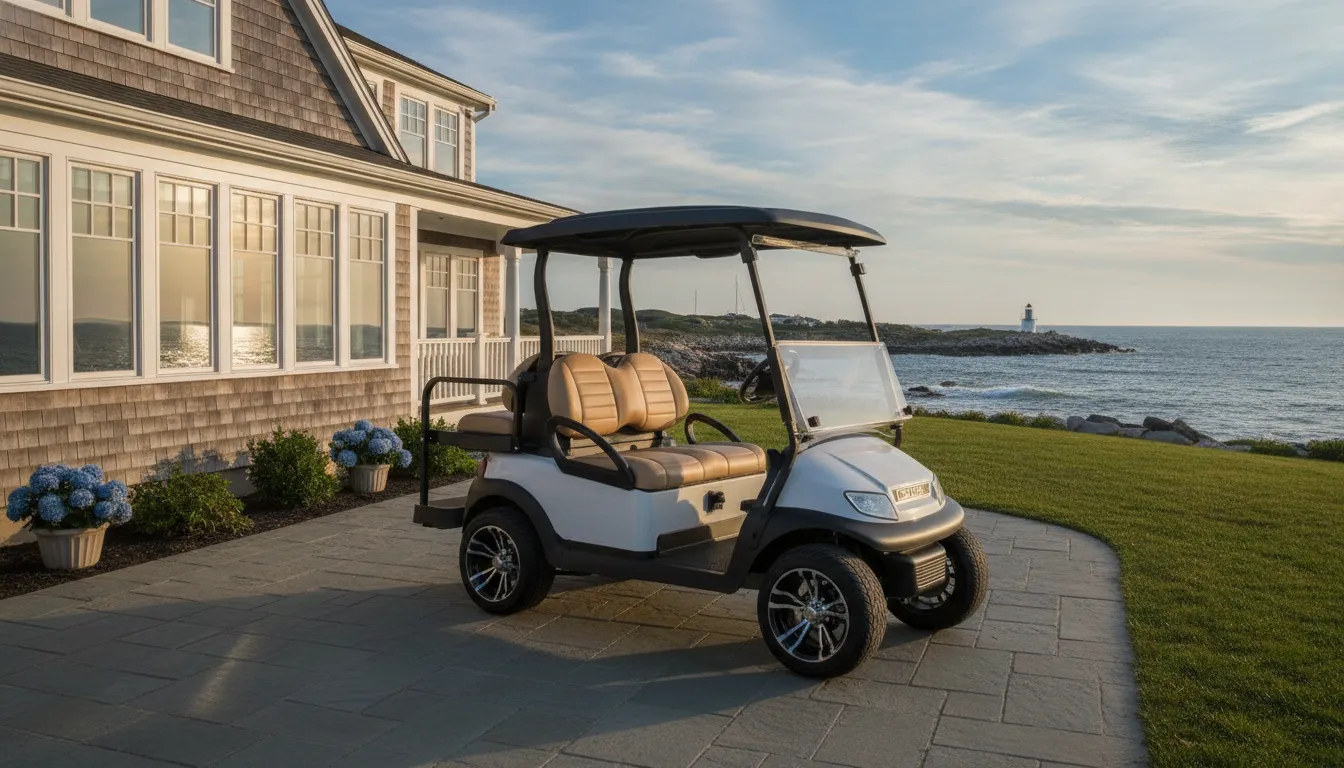
Picking the right cart depends on your daily needs. Think about how many people you need to carry each day. Also, check if you need to drive on local streets or just on private land. You can always talk to a pro to find the best fit for your life.
Choose gas for long driving days and quick refueling, lead-acid electric for quiet short trips at a lower initial cost, or lithium for faster charging, longer range, and minimal maintenance. Your typical distance, charging access, terrain, and willingness to perform upkeep should guide the final Club Car Onward power choice.
Picking the right power source for your Club Car Onward is a big step. Your choice affects how far you can go and how much care the cart needs. Most owners pick between gas, lead-acid electric, or lithium-ion setups. Each option has its own strengths for different types of drivers and uses. Thinking about your daily habits and where you plan to drive will help you decide.
Gas models are great for people who need to drive for a long time. You do not have to wait for a battery to charge when the tank is low. Just fill it up at a pump and you can keep going right away. These carts are good for hilly areas or very long days on the road. The gas engine provides steady power that does not fade as you drive.
A gas cart uses a small motor that sounds like a lawnmower. It needs oil changes and belt checks often to stay in top shape. If you want a cart that is always ready for a long trip, gas might be your best bet. Many users like the simple feel of a gas engine for work or play. It is a solid choice for those who do not want to worry about charging.
Standard electric carts use lead-acid batteries to store power. They are very quiet and do not produce any smell while you drive. This makes them a top pick for areas where noise is a concern. You can learn more about electric golf cart features before you buy. These models provide a smooth ride that feels very easy to control.
These batteries need water checks every few weeks to work well. They are often the most low-cost way to get into a new cart. But they are heavy and take a few hours to charge fully at home. Standard electric power is a solid choice for short trips and flat ground. If you only drive a few miles a day, this classic setup works great.
Lithium power is the newest choice for the Club Car Onward. These batteries are much lighter than lead-acid ones and last for many years. They also charge faster and do not need any water or cleaning. This makes them very easy to own for busy people who want to skip the chores.
A lithium cart keeps its full power even when the battery gets low. You can choose a 4.0 kWh battery for a 30-mile range or a 7.0 kWh pack for up to 55 miles. This extra range helps you stay on the road without any worry. While they cost more at first, the long life and low care save money over time. Many owners find that the lack of upkeep makes lithium the best value.

A lifted Club Car Onward offers extra ground clearance and larger tires for grass, gravel, sand, and uneven paths. A standard model sits lower for easier entry, stable handling, and smooth paved travel. Choose based on your most common terrain rather than appearance alone, since ride height changes everyday comfort and handling.
The Club Car Onward comes in two main body styles for you to think about: lifted and standard. Each style offers special perks based on how you plan to use your cart. Both models share a strong base with a rustproof aluminum frame that helps the cart last in wet or salt air. While they share the same core parts, the choice between them changes your ride height and how the cart handles other paths.
The most clear change is the height of the cart. A lifted Club Car Onward gives you 6.4 inches of ground clearance from the floor to the ground. This extra space is needed if you plan to drive on grass, gravel, or dirt trails. The lift kit allows for larger tires that roll over small rocks and roots without hitting the bottom of the cart.
On the other hand, standard models sit closer to the road. They are built for use on flat streets and smooth paths. The lower height gives a stable feel while you drive and makes it easier for people to get in and out of the seats. For those who use their cart to get around a paved area or a local club, the standard model is a smart and smooth choice. It has a sleek look that fits right in on the street.
The height of the springs also changes how the cart moves. A non-lifted model has a turning circle of 111 inches, which makes it very easy to steer in tight spots. This is helpful when you need to turn around in a narrow driveway or park in a crowded lot. Standard models often feel a bit more nimble because they keep their weight low. They use a SportDrive steering system that keeps the wheel easy to turn for any driver.
Lifted models sit higher, so they feel a new way during a turn. They use the same high-quality steering tech, but the tall tires and lift kit change the feel of the ride. They offer a more rugged ride that some drivers like. If you need to carry a full load, both models have a load limit of 800 lbs and can carry four adults with ease.
Choosing between these models often depends on where you live in New England. In beach towns or on the islands, a lifted cart is often the top pick because the extra height protects the bottom from sand. It also gives the cart a tough look that fits the coast. You can check Club Car Onward pricing to see how adding a lift kit changes the final cost of your new cart.
Standard models are perfect for city streets and quiet suburbs. Since they are often sold as Onward LSV choices, they are approved for roads with speed limits under 35 mph. This makes them a great way to go to the store or visit a neighbor. No matter which model you choose, you are buying into a brand with more than 60 years of history.
Customize an Onward around how you will actually drive it. Set a budget first, then prioritize passenger capacity, power, terrain, and required road-safety equipment before colors or cosmetic upgrades. A local dealer can confirm which tires, battery range, seating, and accessories deliver practical value for your New England routes.
Making your Club Car Onward your own is a great part of the process. You can pick new colors, seats, and power types. But it is easy to spend too much on things you do not need. To save money, plan your build around your daily life. This helps you get a car that fits your needs without wasting cash. A smart plan leads to a better ride for a fair price.
Think about where you will use the car most. Do you need it for the golf course or for your area? The Club Car Onward specs show it has a strong aluminum frame that will not rust. This is key if you live near the ocean or in wet areas. If you drive mostly on flat roads, a standard model is a great choice. It has a tight 111-inch turning radius which makes it easy to park and turn in small spots.
If you want to drive on the street, safety is the top factor. Many street-ready Onward vehicles come with lights, mirrors, and better brakes. The law says these cars can go on roads with speed limits under 35 mph. You should always talk to a local dealer to check the rules in your town. This keeps you safe and helps you follow the law while you enjoy your new car.
Your next big choice is the power source for your car. You can pick a gas engine or a lithium battery. Lithium batteries come in two main sizes like 4.0 kWh or 7.0 kWh packs. A bigger battery lets you drive for up to 55 miles on one charge. But a smaller battery might be enough if you only take short trips. This is a key part of Club Car Onward pricing and how much you spend at the start.
Comfort and space also matter for your daily use. Most 4-passenger models use a 2+2 seating setup that works well for families. This holds four people and keeps the car feeling stable as you drive. You can also pick high quality paint that stays bright even in the hot sun. This UV-protected finish helps your car look new for many years. By choosing only the options you will use, you get a car that works for you and your budget.
Using a build tool online can help you see all your choices in one place. You can try out different colors and see how they look with the seats you want. But do not forget that a local dealer can give you the best advice. They know which tires work best for your local paths. They can also tell you about any new tech that might help you drive better. Working with a pro ensures you do not miss anything key.
You can drive a properly equipped Club Car Onward LSV on eligible public roads where state and local rules allow it. Standard golf carts are generally intended for courses or private property. Before driving, confirm road speed limits, registration, licensing, insurance, and required safety equipment with local authorities.
Driving a club car onward on public roads depends on the exact model you choose. Most standard golf carts are built for the course or private land. But the Club Car Onward LSV models are made to share the road. These units are built as Low Speed Vehicles (LSV) that follow strict US safety rules. This design allows you to drive them on many roads where the speed limit is 35 mph or less.
The US rules are clear about what makes a cart street legal. A basic golf cart often lacks the safety parts needed for road use. An LSV must have a top speed between 20 and 25 mph to meet these laws. It also needs a 17-digit VIN, just like a car or truck. The Club Car Onward LSV is built to meet these US rules from the start. This allows it to share the lane with other cars in certain spots.
LSV models offer a clean and easy way to travel. They are great for short trips to the store or a local park. Most of these carts use electric power to keep noise and smoke away. This makes them a good fit for beach towns or gated areas. Using a cart for small tasks can also save you money on gas over time.
Safety is the most vital part of a street-legal cart. A road-ready Onward comes with headlights, tail lights, and turn signals. It also has side mirrors, a horn, and a parking brake. These parts help other drivers see you and know where you are going. The frame is made of strong aluminum to stay light and rust-free.
How the cart stops and turns also matters for road safety. The Onward LSV uses front hydraulic disc brakes to help you stop fast. It also features a SportDrive steering system for better control on paved streets. This setup gives you a smooth and steady ride that feels safe. These features are key when you move from the golf course to the public street.
While US rules set the base, local laws are also key. Each state has its own way of dealing with low-speed cars. Some towns allow them on all low-speed roads. Other places may have exact zones where they can and cannot travel. You should always check with your local DMV or police office. They can give you the exact rules for your town or city before you start driving.
Insurance and a license are often needed for road use. Since an LSV has a VIN, you can get a title and tags for it. You will likely need a valid driver's license to use one on a public road. Always keep your papers with you when you go out for a drive. It is also smart to talk to your local dealer.
Before buying a Club Car Onward, confirm passenger capacity, typical range, power type, terrain, and whether you need an LSV for road use. Inspect the aluminum frame, brakes, steering, suspension, tires, safety equipment, and service history. Verify local laws and compare only options that support your daily routes.
Picking one of the 4-seater golf cart options like the Club Car Onward is a big step. You want a ride that fits your life and lasts for many years. Before you buy, you must look at a few key things. This guide helps you check the most vital parts of your new cart.
First, think about how you will use the cart. The Club Car Onward 4 Passenger model uses a 2+2 seat setup. This means it has two rows for four people. If you plan to carry friends or family often, this size is a smart pick. You should also check the total load limit. These carts can carry up to 800 lbs at once.
Next, look at the battery types. You can choose electric golf cart features like lithium-ion power. A 4.0 kWh battery can go about 30 miles on one charge. If you need to go further, the 7.0 kWh battery offers a range of up to 55 miles. Some buyers still prefer gas engines. Check which one is best for your daily trips.
Do you want to drive on local roads? Many street-legal Club Car Onward models are ready for the road. These are called Low Speed Vehicles or LSVs. The USDOT says these carts are approved for street use on roads with speed limits under 35 mph. They can reach a top speed of about 25 mph on flat ground.
Safety is the most vital part of a street-legal cart. Make sure the vehicle has the right brakes. The Onward LSV uses front hydraulic disc brakes and rear drum brakes. It also needs lights, mirrors, and seat belts. Check the steering system too. These carts use a SportDrive system that makes turning smooth. A tight turning radius of 111 inches helps you move through narrow paths.
You want a cart that can stand up to the local weather. Look for a rustproof aluminum frame. This keeps the cart strong and light. The Onward LSV weighs about 954 lbs with a lithium battery. Also, check the body finish. High-grade paint and UV-safe molding help stop fading from the sun.
Finally, look at the suspension. You can find both lifted and non-lifted models. A lifted cart gives you about 6.4 inches of ground clearance. This is great for rough paths or uneven grass. If you buy a used cart, look at its past service. You can find details on Club Car Onward pricing for new and used units. Always talk to a local dealer to see if a cart is legal for your town.
Common Club Car Onward questions cover quality, price, load capacity, and lithium battery care. The right answer depends on the selected configuration and options, but buyers should confirm current pricing, follow the vehicle's load limit, and use the manufacturer's charging and storage guidance to protect long-term performance.
Yes, many people view the Club Car Onward as a top choice for a personal cart. The brand has made good cars for more than 60 years. According to Club Car, they have built strong and safe vehicles since 1962. Every Onward cart uses a rustproof frame made of aluminum. This helps the cart stay in good shape for a long time, even in wet or salty air near the coast.
The price of a new Club Car Onward varies based on the model and options you pick. A base two-seat cart often starts near $13,000. A large six-seat cart with a lithium battery can cost more than $20,000. According to the Club Car Onward price guide, costs depend on the motor and custom parts. To get the best price in New England, you should talk to the sales team at c2 Vehicles.
A four-seat Club Car Onward can carry a total load of 800 pounds. This limit includes the weight of all riders and any gear or bags you bring along. According to the official specs, staying within this weight limit is key for safety. It helps the cart stop fast and turn well. If you carry too much weight, you might slow the cart down or cause wear on the motor and the brakes.
Lithium-ion batteries are great because they do not need any chores from the owner. You do not need to add water or clean the battery as you would with older types. According to Club Car, these carts use a smart 650W AC battery charger. This system keeps the cells in good shape on its own. To get the best life from your battery, you should simply plug the cart in to charge after every trip.
Start by comparing available Club Car Onward configurations against your passenger, range, terrain, and road-use needs. Because New England inventory, colors, and options change, exploring available vehicles early gives you more choices. c2 Vehicles can help confirm local requirements and identify a practical build for your routine.
Waiting to buy can mean fewer choices of colors and seats as New England stock changes. Start your search early so your cart can be ready for warm weather. A clear plan helps you avoid choosing the wrong battery range or road-use features. Review our Club Car Onward pricing guide, then compare the features that fit your home and routine.
Ready to view Club Car Onward inventory or request a quote? Contact us today to find the right cart for your life.